


Chimneys take a battering from British weather. They sit above the roofline, catch wind-driven rain, and go through constant freeze–thaw cycles. Over time, the mortar between the bricks can crack and crumble. When that happens, a chimney can start absorbing water and causing damp indoors. This is why chimney repairs is something that is needed from time to time.
Repointing isn’t always urgent. However, when mortar fails badly, it can lead to leaks, loose bricks, and bigger repairs. This guide explains when chimney repointing is needed, what a proper job involves, and what it typically costs in the UK.
What Is Chimney Repointing?
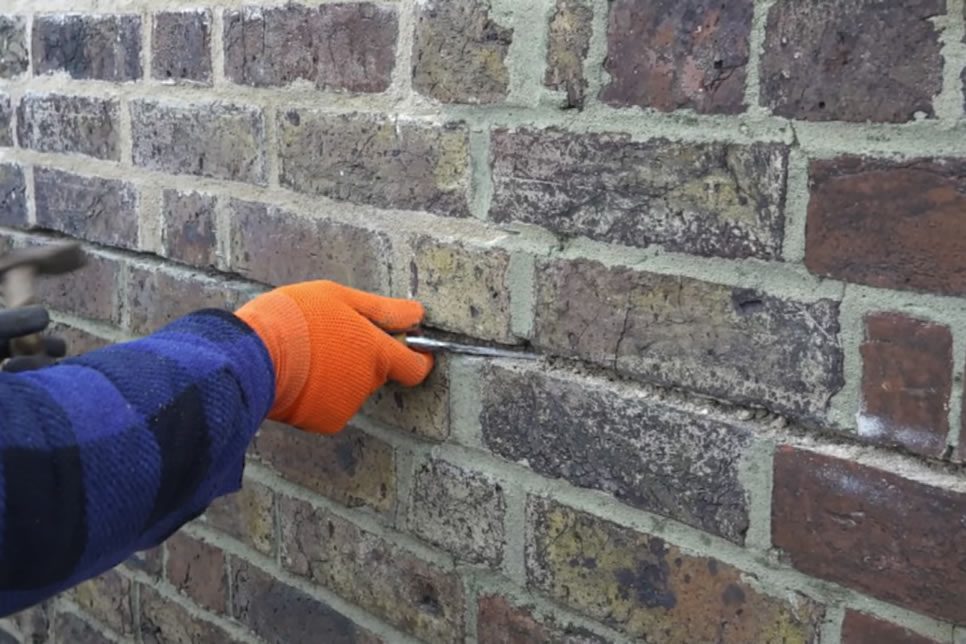
Repointing is the process of removing failed mortar from the joints between bricks and replacing it with fresh mortar. The aim is to:
- keep rain out of the stack
- protect the brickwork from movement and frost damage
- improve stability above the roofline
- reduce damp problems inside
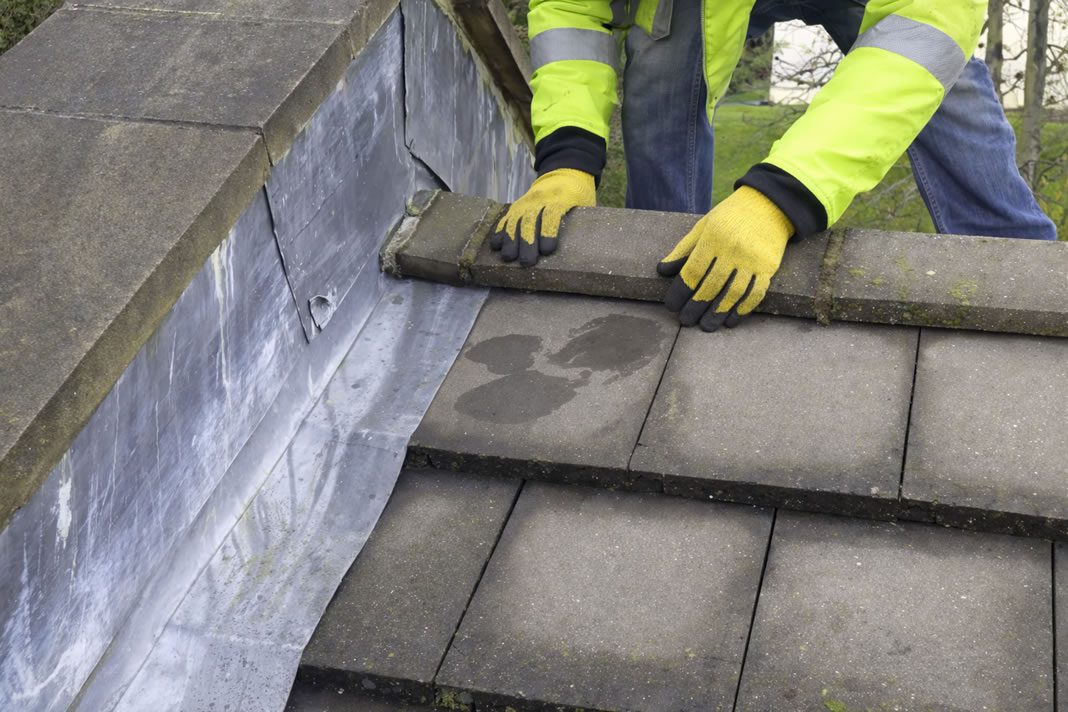
It’s different from chimney flashing repair, although both are common on older roofs.
When Is Chimney Repointing Needed?
1) Mortar is missing or crumbling
If joints look sandy, powdery, or you can see gaps, repointing is usually needed.
2) Cracks run through multiple joints
Hairline cracks can be early warning signs. Wider cracks across many bricks often mean the mortar has weakened.
3) Damp chimney breast that worsens after rain
Water can soak into the stack and show up indoors. If the pattern follows rainfall, damaged pointing is a likely cause.
4) Spalled or flaking bricks
When mortar fails, bricks can absorb more moisture. Then frost can cause the brick faces to flake.
5) Loose bricks or movement
If bricks feel unstable or the stack shows movement, repointing may be part of the solution. A roofer may also recommend rebuilding sections if stability is compromised.
6) Repeated leaks near the chimney despite roof repairs
Sometimes flashing gets repaired, but damp continues. In that case, mortar and chimney-top details often need attention too.
Repointing vs Flashing Repair: Which Is More Likely?
Both can cause damp near a chimney, so roofers typically check both.
| Symptom | More likely pointing | More likely flashing |
|---|---|---|
| Damp is persistent, slow to dry | ✅ | |
| Mortar joints look missing or powdery | ✅ | |
| Leak spikes mainly in wind-driven rain | ✅ | |
| Staining appears after a specific storm | ✅ | |
| Leadwork looks lifted or messy | ✅ |
Often, the best long-term fix combines both where needed.
What’s Involved in Chimney Repointing? (Step-by-Step)
1) Safe access and preparation
Chimney work is at height. Roofers often use scaffolding or a proper access tower. They also protect roof coverings and surrounding areas.
2) Raking out the old mortar
A proper job removes the loose, failed mortar to a suitable depth. This step matters because new mortar won’t bond well to weak, dusty joints.
3) Cleaning the joints
The joints get cleaned and dust is removed. That helps the new mortar adhere properly.
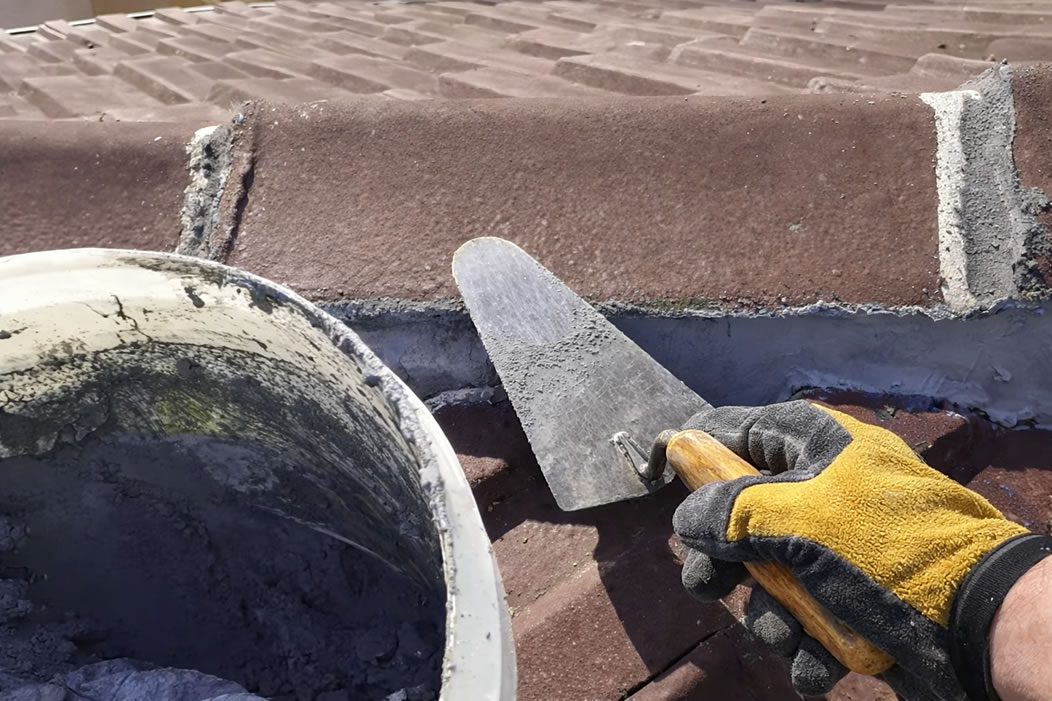
4) Applying the new mortar
The roofer presses fresh mortar into the joints carefully, then finishes it neatly. A consistent finish helps rain run off the chimney face.
5) Curing and tidy-up
Mortar needs time to cure. A good contractor keeps the work tidy and removes debris safely.
6) Optional extras often done at the same time
Because access is already in place, roofers often also check and address:
- chimney flashing condition
- chimney top (flaunching) around pots
- fitting or replacing a chimney cowl
- replacing damaged bricks
- checking nearby tiles and leadwork
This can improve value because you avoid paying for access twice.
Typical Costs for Chimney Repointing (UK Guide)
Costs depend on chimney size, height, access, and condition.
| Work type | Typical cost range |
|---|---|
| Small, localised repointing (minor areas) | £350–£800 |
| Repointing a typical chimney stack | £600–£1,800 |
| More extensive work / multiple sides | £1,200–£3,000+ |
| Replace a few spalled bricks (add-on) | £150–£600 |
| Flaunching repair (add-on) | £250–£900 |
| Chimney cowl fit/replace (add-on) | £150–£450 |
| Scaffolding (if required) | £450–£2,000+ |
Tip: Always check whether the quote includes access, waste removal, and making good.
How Long Does Chimney Repointing Take?
A straightforward chimney repointing job can often be done within a day or two once access is set up. However, drying and curing time still matters, so roofers plan around weather conditions.
Can You DIY Chimney Repointing?
Because it’s at height and usually above the roofline, DIY repointing is risky. Also, poor repointing can trap water and accelerate brick damage. Therefore, most homeowners use a roofer or builder who can access safely and finish it properly.
How to Get the Right Quotes (And Avoid Overpaying)
Step 1: Take ground-level photos
Use zoom to capture mortar joints and the full chimney stack.
Step 2: Note symptoms indoors
Mention damp patches, stains, and whether they follow rainfall.
Step 3: Ask roofers to check flashing too
That way, you avoid fixing one thing while another issue continues.
If you think your chimney needs repointing, submit a quick enquiry with your postcode. We’ll match you with local roofers so you can compare free, no-obligation quotes.
FAQs
How do I know if my chimney needs repointing?
If mortar is missing, crumbly, or cracked across multiple joints — or you see damp that worsens after rain — repointing is often needed.
Will repointing stop chimney leaks?
It can, especially when the leak comes through mortar joints. However, flashing and chimney-top defects can also leak, so a roofer should check the full chimney detail.
Does chimney repointing require scaffolding?
Not always, but safe access is critical. Many chimney jobs use scaffolding because it improves safety and quality.
Can repointing be done in winter?
Often yes, but weather matters. Roofers plan around suitable conditions so the mortar cures properly.
Pingback: What Is Flaunching and Why Does It Crack? (UK Chimney Guide)
Pingback: Roof Repair Quote Checklist: What Should Be Included (UK Guide)