If your roof only leaks during heavy rain or wind-driven rain, you’re not imagining it — that pattern is very common. In fact, it’s one of the clearest clues a roofer can use to narrow down the cause. Usually, it points to junctions and weak spots where water can be pushed sideways or forced uphill briefly, rather than a big obvious hole.
Below is what that “storms only” leak pattern typically means, what you can check safely, and when it’s time to get a roofer in.
Why It Leaks in Wind-Driven Rain (Not in Light Rain)
In calm weather, rain mainly falls downward and drains away. However, in strong winds:
- rain gets driven sideways and even up under overlaps
- gutters can overflow and soak roof edges
- water can back up at valleys, chimneys, and roof junctions
- small gaps that normally cope can be overwhelmed
Therefore, storms reveal weak detailing — especially on older roofs.
The Most Common Causes (In Order of Likelihood)
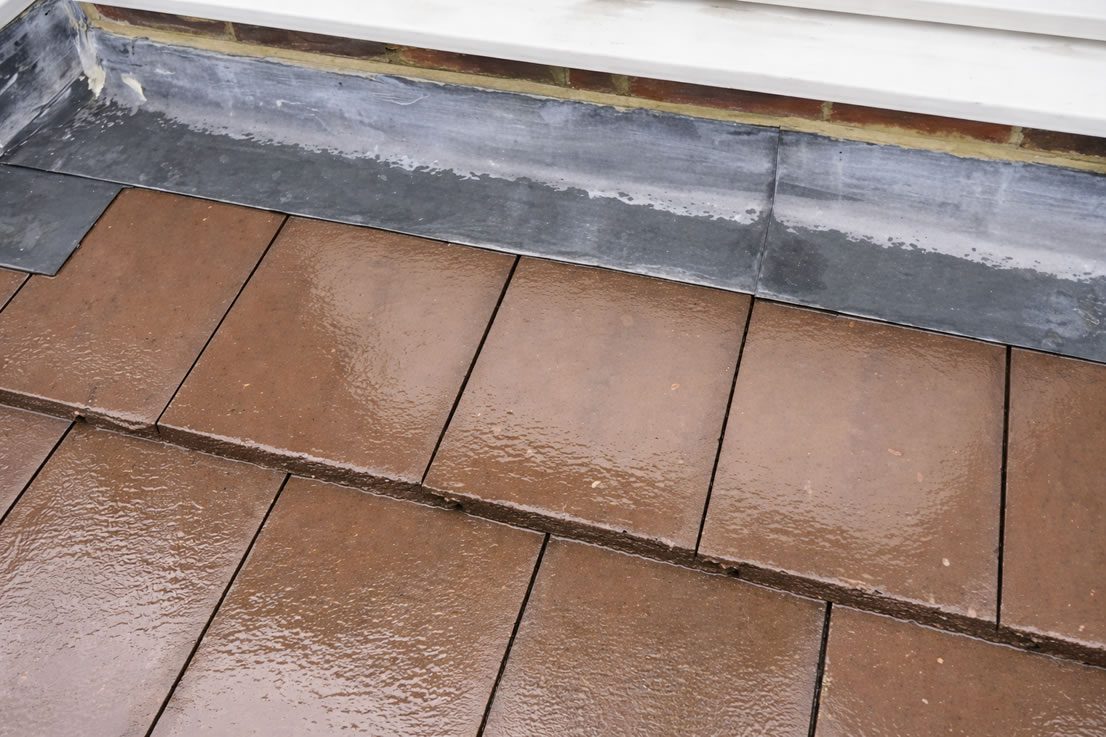
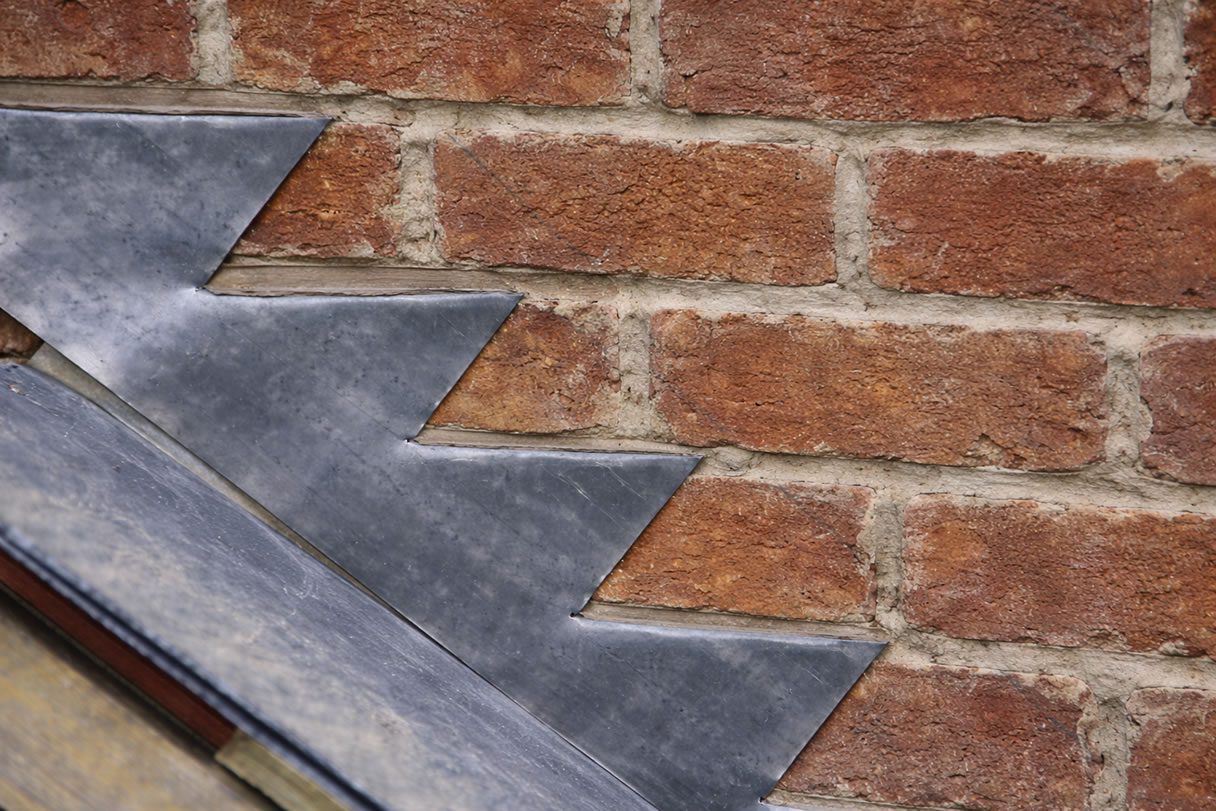
1) Flashing problems (chimneys, walls, dormers, rooflights)
Flashing protects the joints where the roof meets something else. Wind-driven rain can push water behind lifted lead or failed mortar chase lines.
Typical signs
- damp around a chimney breast
- leaks near a skylight/roof window reveal
- staining on upstairs walls near roof slopes
- issues that spike in storms
Typical fix
Repair/replace flashing, re-seat surrounding tiles/slates, and ensure the chase line is secure.
2) Slipped tiles/slates and “tile line” gaps
A tile doesn’t need to fall off to leak. Even slight movement can open a path that only shows up when rain is driven hard.
Typical signs
- a leak that appears after storms
- a roof line that looks uneven from the ground
- debris in gutters (small tile fragments or mortar)
Typical fix
Re-fix/replace tiles and check the surrounding area for movement and underlay issues.
3) Valleys and debris build-up
Valleys collect water from two roof slopes, so they handle a lot of flow. In heavy rain, a partially blocked valley can back up quickly.
Typical signs
- leaking appears in heavy rain
- damp patches near internal corners of upstairs rooms
- moss/debris visible in the valley from ground level
Typical fix
Clear debris and repair the valley lining/detail if it has failed.
4) Ridge and verge issues (especially in wind)
Wind-driven rain hits the ridge and verges hard. Small cracks or loose sections can let water in under pressure.
Typical signs
- leaks that worsen in windy rain
- ridge line looks uneven or mortar looks cracked
- damp near gable ends
Typical fix
Repair/re-bed ridge sections, repair verges, or install/repair dry ridge/dry verge systems where appropriate.
5) Gutter overflow (it can mimic a roof leak)
In downpours, blocked or poorly sloped gutters can overflow and soak the roof edge and walls. Then the damp appears indoors and looks like a roof leak.
Typical signs
- damp at the top of external walls
- overflow visible during rain
- water marks beneath the gutter line
Typical fix
Clear/repair gutters and downpipes, adjust falls, and fix leaking joints.
6) Flat roof edge and outlet issues
Flat roofs often leak at edges, upstands, and outlets. In heavy rain, ponding and overflow can force water into weak points.
Typical signs
- leaks after long rain rather than short showers
- water pooling visible after rainfall
- damp near parapet walls or roof edges
Typical fix
Repair edge trims/outlets, improve drainage, and replace local decking if it has softened.
Quick “What the Pattern Means” Table
| Leak pattern | What it often points to |
|---|---|
| Only leaks in heavy rain | valleys, gutters, flat roof outlets, overwhelmed drainage |
| Only leaks in wind-driven rain | flashing, verges, ridges, skylights, chimneys |
| Leaks in one specific room | a local defect (tile, flashing, valley) nearby |
| Leaks appear far from the roof junction | water tracking along underlay/timbers |
6 Safe Checks You Can Do (No Roof Climbing)
1) Note wind direction and which side of the house leaks
If it leaks when wind comes from one direction, the issue is often on that exposed elevation: verge, ridge edge, flashing, or tile line.
2) Look for gutter overflow during rain
If you can do it safely, watch during rainfall:
- does water pour over the gutter edge?
- does it spill behind the gutter?
- does a downpipe joint leak?
3) Scan the roof from the ground
Use your phone zoom:
- missing/slipped tiles
- cracked ridge mortar
- debris in valleys
- lifted flashing around chimneys
4) Check the loft (if safe)
With a torch, look for:
- water trails on rafters
- damp insulation
- daylight pinholes
- wet patches near chimneys/valleys
5) Check around roof windows and chimneys indoors
Storm-linked stains around a skylight reveal or chimney breast often point to flashing.
6) Rule out internal sources
If it drips even when dry, consider plumbing leaks or condensation. Storm-only leaks are usually external, but it’s worth ruling out.
When to Call a Roofer (Don’t Wait If…)
Call promptly if:
- the leak gets worse with each storm
- the ceiling is bubbling or sagging
- water is near electrics or light fittings
- you can see missing tiles or storm damage
- damp insulation in the loft is spreading

What to Tell a Roofer (To Get Faster Quotes)
Send:
- your postcode
- the rooms affected
- the leak pattern (heavy rain only / wind-driven rain)
- any clues (gutter overflow, chimney stain, skylight reveal damp)
- photos from inside and outside (ground-level only)
This helps roofers price the correct repair rather than guessing.
FAQs
Why does my roof only leak in heavy rain?
Heavy rain increases the flow rate and can overwhelm valleys, gutters, or flat roof outlets. It also exposes weak joints that cope in light rain.
Why does it only leak when it’s windy?
Wind-driven rain can push water sideways and up under overlaps at flashing, ridges, verges, and around skylights and chimneys.
Could the gutter be the cause even if the ceiling stain is inside?
Yes. Overflow can soak the roof edge and external wall, and damp can show up indoors near that area.
Is a sealant fix OK for storms-only leaks?
Sealant might help short-term, but lasting repairs usually involve proper detailing: flashing, tiles, ridge/verge, valley or drainage fixes.