Roof leaks can be sneaky. Water often enters at one point, travels along underlay or timbers, and then appears somewhere else inside your home. That’s why a stain on the ceiling doesn’t always sit directly below the problem. Instead of guessing, experienced roofers use a mix of visual checks, moisture tracing, and sometimes controlled testing (including dye tests) to pinpoint the real entry point.
Below is a homeowner-friendly guide to the main methods roofers use in the UK, what each one is good for, and how you can help speed up the diagnosis.
Why Roof Leaks Are Hard to Track
A “leak” is usually a path, not a single hole. For example:
- water can run under tiles and along the underlay before dripping
- flashing gaps can leak only in wind-driven rain
- gutters can overflow and soak roof edges, mimicking a roof defect
- condensation can look like rain ingress
Therefore, roofers start broad, then narrow it down systematically.
1) Visual Checks (The First Line of Diagnosis)
What roofers look for on pitched roofs (tiles/slates)
A roofer will typically inspect:
- slipped, cracked, or missing tiles/slates
- nail fatigue and movement along tile lines
- cracked or loose ridge tiles and bedding
- failing verges and gaps at gable edges
- blocked or damaged valleys
- torn or exposed underlay (where visible)
- staining patterns and water trails in the loft
What roofers look for on flat roofs (felt/EPDM/GRP)
They’ll often check:
- splits, blisters, punctures, and failed seams
- weak points at edges, upstands, and drip trims
- cracks around rooflights and pipe penetrations
- ponding water and poor falls
- outlets and overflow points
Why visual checks work so often
Most roof leaks come from common weak points: tiles, junctions, valleys, edges, and flashings. A good roofer can spot many issues quickly. However, if the leak only happens in storms or the entry point is hidden, they’ll use extra methods.
2) Loft Inspection (Tracing the Leak from the Inside)
A loft inspection helps roofers:
- find the highest wet point on rafters or felt/underlay
- follow water trails along timbers
- spot wet insulation around chimneys, valleys, and roof windows
- identify daylight gaps (often linked to slipped tiles)
- rule out internal sources (pipes, tanks, condensation)
What they might use
- a bright torch or headlamp
- a mirror for awkward angles
- a camera to document wet trails and entry points
Because water can travel, roofers often work backwards: where it shows inside → where it likely enters outside.
3) Moisture Meters (Finding Damp Without Guessing)
What a moisture meter does
A moisture meter measures moisture content in materials like:
- plasterboard and timber
- roof decking (flat roofs)
- rafters and joists
Roofers use it to:
- confirm whether an area is actively wet or old staining
- compare readings across different spots to find a moisture gradient
- identify hidden damp where surfaces look dry
When it’s especially useful
- slow leaks that come and go
- flat roofs with suspected wet decking
- leaks around chimneys where plaster can stay damp for a long time
Moisture readings help roofers focus effort on the true wet route rather than chasing a stain.
4) Thermal Imaging (Sometimes Used)
Some contractors use thermal cameras to locate cooler, damp areas that hold water. It can help, especially when:
- there’s a wide area of suspected damp
- the leak is intermittent
- you want to see moisture patterns behind finishes
However, thermal imaging works best with the right conditions (temperature difference) and it still needs a roofer’s judgment to interpret results.

5) Controlled Hose Testing (A Simple “Test the Junction” Method)
What it is
A roofer applies water in a controlled way to a specific area, then watches inside for signs of ingress.
Why it helps
It’s practical for:
- skylights / roof windows
- chimney flashing junctions
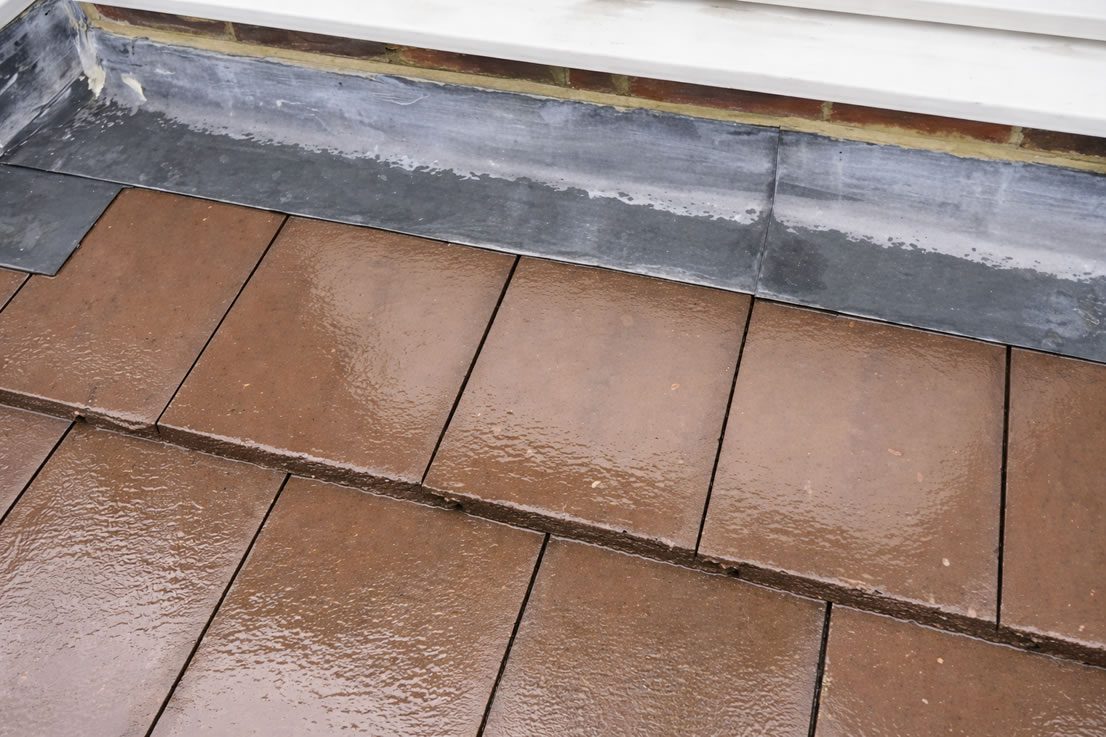
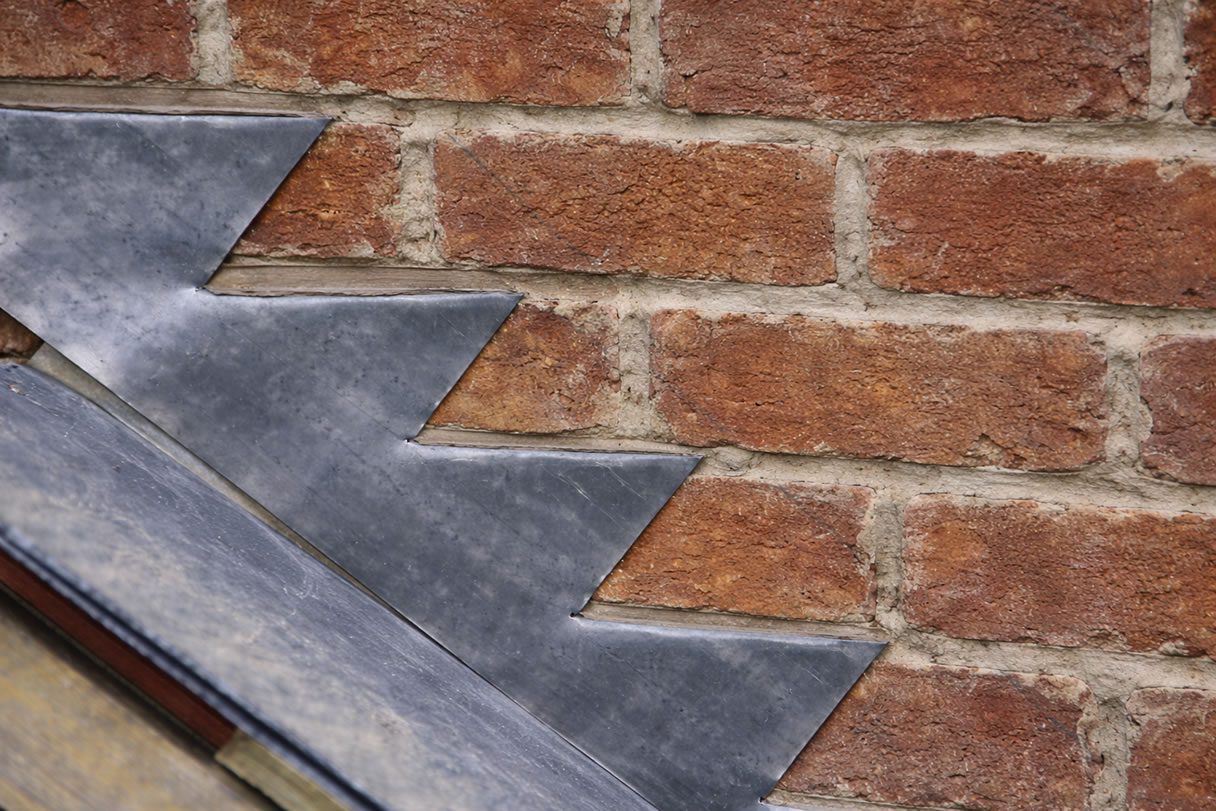
- roof-to-wall flashings
- specific valleys or gully points
What a careful roofer does
They test one area at a time. That way, they don’t flood the roof and create confusing results.
6) Dye Tests (Tracking the Entry Route Clearly)
What a dye test is
A roofer adds a small amount of coloured dye to water and applies it to a suspected entry point. If the dye shows up inside or in a traced route, it confirms where the water is coming from.
When dye tests are most useful
- flat roofs with multiple seams and outlets
- complex junctions where water could be entering in more than one place
- roof leaks that only show up under certain flows
- situations where multiple repairs have failed and you need certainty
Why roofers don’t always use dye
Most leaks can be found with visual checks and moisture tracing. Dye tests are more of a “when it’s stubborn” tool.
7) Checking Gutters and Rainwater Goods (Often the Hidden Cause)
Good roofers also check:
- blocked gutters and downpipes
- joints leaking behind the gutter
- poor falls that cause standing water
- splashback against walls during heavy rain
This matters because gutter issues can create damp that looks like a roof leak, especially near external walls and roof edges.
How You Can Help Roofers Find the Leak Faster
Before the visit, gather:
- the leak pattern (heavy rain only, wind-driven, constant)
- the rooms affected and the highest visible wet point
- photos of staining and drips
- any outside clues (missing tiles, gutter overflow, chimney staining)
- when the leak first started (after a storm, after frost, after gutter blockage)
If you can safely access the loft, note whether insulation is wet near a chimney, valley, or skylight.
What a Good Leak Investigation Result Looks Like
You want:
- a clear explanation of the entry point(s)
- photos where possible
- a repair plan that targets the root cause
- clarity on what is temporary vs permanent
- guidance on drying and internal making good after repair
FAQs
Do roofers really use dye tests?
Some do, especially on tricky flat roofs or stubborn leaks. However, many leaks are found with visual checks and moisture tracing first.
How long does leak detection take?
A straightforward inspection can be quick. Complex leaks can take longer, especially if access is difficult or the leak only appears in specific weather.
Can a roofer find a leak when it isn’t raining?
Often yes. Roofers trace staining, check likely entry points, and use controlled testing if needed.
Why does the leak show up far from the entry point?
Water can travel along timbers and underlay before it drips onto plaster. That’s why the visible stain is often not directly under the hole.