

Roof Repairs UK helps you compare free, no-obligation quotes from local roofers for:
- Lead valley repairs (splits, holes, lifted edges, worn joints)
- GRP/fibreglass valley repairs (cracks, poor joins, failed trims)
- Valley lining repairs where tiles/slates sit alongside the valley
- Valley cleaning and debris removal where blockages force water sideways
Describe the issue + add your postcode to get roof valley repair quotes.
What Is a Roof Valley?
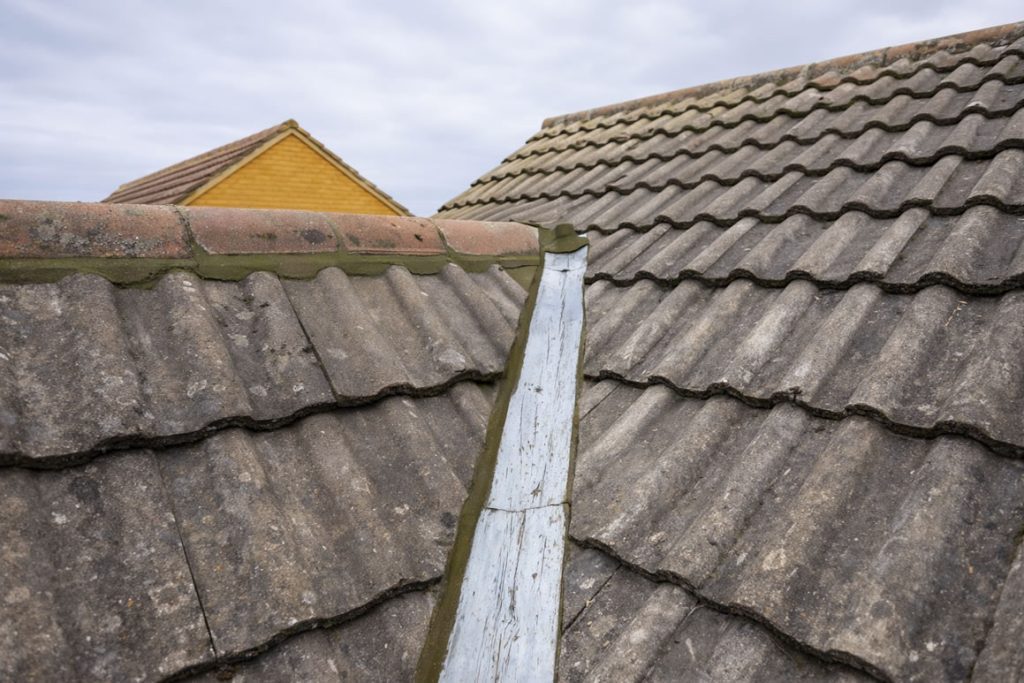
A roof valley sits where two roof slopes meet. Because it carries a high volume of water, it must stay clear, correctly shaped, and properly detailed at the edges. Otherwise, water can back up under tiles or track into the roof space.
Common valley types include:
- Lead valleys (traditional and common on older roofs)
- GRP/fibreglass valleys (often used on modern tiled roofs)
- Valley troughs formed with other linings depending on roof build
Signs You May Need Valley Repair
You may have a valley issue if you notice:
- Leaks that appear after heavy rain
- Damp patches in upstairs rooms near the valley line
- Water marks that worsen in wind-driven rain
- Debris build-up visible in the valley from ground level
- Tiles next to the valley looking uneven or lifted
- Moss growth and grit collecting where water should run freely
Why Roof Valleys Leak
Valleys fail for a few predictable reasons. Once you know the cause, you can usually choose the right repair instead of a temporary patch.
| Cause | What happens | Typical repair approach |
|---|---|---|
| Debris build-up (moss/leaves/grit) | Water backs up and spills under tiles | Clear valley, improve flow, check edges |
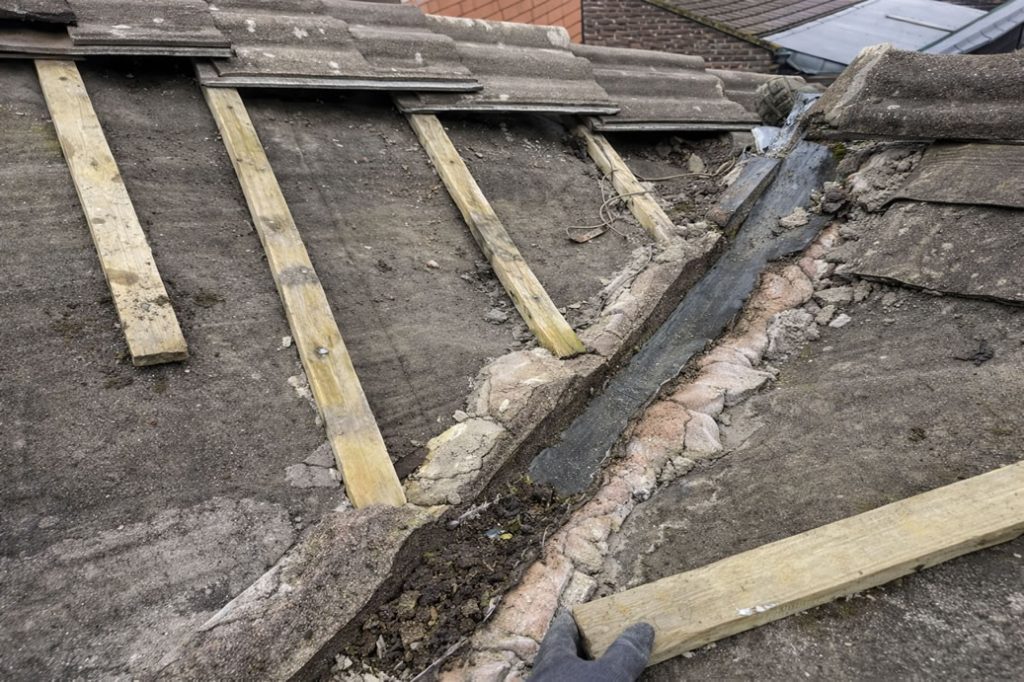
| Lead splits or pinholes | Water enters through damaged lead | Repair/replace lead sections, re-dress edges |
| GRP valley cracks | Cracks open at stress points | Repair crack, reinforce, reseal joins |
| Poor detailing at valley edges | Water tracks sideways under tiles | Correct edge detailing, re-fix tiles |
| Movement or fixings failing | Linings lift or distort | Re-secure and reline affected area |
| Blocked gutters below valley | Water backs up at the outlet | Clear/repair gutters and downpipe |
Roof Valley Repair Cost Guide (UK)
Costs depend on valley type, how much needs repairing, and whether scaffolding is required. In many cases, roofers repair a localised section and re-fix the adjacent tiles.
| Valley repair type | Typical cost range | Notes |
|---|---|---|
| Valley inspection / leak tracing | £80–£250 | Often offset if you proceed |
| Clear valley debris + minor edge fix | £120–£300 | Great for early problems |
| Localised valley repair (lead or GRP) | £250–£700 | Common for small leaks |
| Replace a section of valley lining | £450–£1,200 | Depends on length and roof access |
| Re-bed/re-fix tiles alongside valley | £200–£600 | Often paired with lining work |
| Scaffolding (if required) | £450–£1,500+ | Depends on height and duration |
Tip: Always check what the quote includes. Specifically, confirm whether the roofer will lift and re-fit the tiles beside the valley, because that’s where many leaks begin.
What a Good Valley Repair Usually Includes
When you compare quotes, look for these basics. Otherwise, you may pay twice.
| Included task | Why it matters |
|---|---|
| Clear debris and inspect the full valley run | Prevents recurring overflow issues |
| Identify the true entry point | Stops “chasing” the wrong area |
| Repair/replace damaged lining (lead or GRP) | Fixes the actual leak source |
| Re-fix or replace tiles/slates at the valley edges | Stops water tracking under coverings |
| Check the valley outlet into the gutter | Prevents backups at the bottom |
| Clean up gutters after the repair | Reduces overflow and damp at eaves |
Lead Valleys vs GRP Valleys (Which Is Better?)
Both types can work well, so the best option depends on your roof style and existing build.
- Lead valleys suit many traditional roofs. They handle movement well when installed correctly. However, they can split over time or suffer from poor detailing.
- GRP valleys often appear on newer tiled roofs. They can perform well, although cracks and poor joins can cause leaks if the installation lacks proper support.
Therefore, focus less on “which is best” and more on whether the roofer will install the valley correctly and finish the edges properly.
Can You Temporarily Fix a Valley Leak?
You can reduce damage inside while you wait, but you should avoid risky roof access.
Instead:
- Contain water indoors and protect floors
- Photograph the leak location and any external damage visible from ground level
- Note when it leaks (wind, heavy rain, constant drip)
- Submit an enquiry with those details so a roofer can plan the repair
How to Get Roof Valley Repair Quotes
Step 1: Describe what you’ve noticed
For example: “leak near valley line”, “debris in valley”, “water coming in during heavy rain”.
Step 2: Add your postcode
Then roofers who cover your area can respond.
Step 3: Compare quotes and choose
Finally, compare scope (cleaning vs repair vs replacement), access requirements, timescales, and cost.
Get Free Roof Valley Repair Quotes
FAQs – Roof Valley Repairs
Is a valley leak urgent?
Yes, often. Valleys carry a lot of water, so even a small defect can cause a noticeable leak quickly. Therefore, it’s best to arrange repairs promptly.
Do roofers need to lift tiles to repair a valley?
Often yes. In many cases, the roofer needs to lift tiles beside the valley to access and repair the lining properly.
Can debris alone cause a valley leak?
Yes. Debris can block the valley and push water sideways under tiles. As a result, a clean and inspection can sometimes solve early-stage issues.
Will a valley repair stop leaks permanently?
It should if the roofer repairs the lining and details the edges correctly. However, if other weak points exist nearby (ridges, flashing, gutters), the roofer may recommend additional small repairs.
Will scaffolding be required?
Sometimes. It depends on height, roof pitch, and safe access. Even so, a roofer can usually confirm after reviewing the job details.