


A felt roof patch repair can be a great solution when the damage is localised — a small split, a hole near the edge, or a leak around a joint. However, “patch repair” can also mean anything from a quick smear of sealant to a properly bonded multi-layer fix. The difference shows up later, usually as another leak.
This guide explains what a proper felt roof patch repair includes, when patching makes sense, when it doesn’t, and what to ask for in a quote.
When a Patch Repair Is the Right Option
Patch repair is usually suitable when:
- the leak comes from a small, identifiable defect (split, puncture, local blister crack)
- the surrounding felt is still in decent condition
- the deck underneath feels firm (no soft spots)
- there’s no widespread cracking, lifting, or failed detailing
If the roof is failing across large areas, patching becomes a short-term gamble.
What a Proper Felt Roof Patch Repair Includes
1) Finding the real leak point (not just the internal drip)
Water can track under felt before it shows inside. A good roofer will:
- check seams, edges, upstands, and outlets
- look for splits, blisters, lifted edges, and pinholes
- assess whether the leak is local or part of wider failure
If they don’t diagnose properly, the patch can miss the true entry point.
2) Checking the deck and edge details
Before patching, the roofer should confirm:
- the deck isn’t rotten or soft
- edges and drip trims are sound
- the outlet isn’t blocked or leaking back into the roof
If the deck is wet or soft, a patch won’t last.
3) Preparing the surface properly (this is where many “repairs” fail)
A proper repair starts with preparation:
- remove loose, brittle, or lifted felt
- clean the area thoroughly
- dry the surface (and allow trapped moisture to vent where needed)
- prime where required so the patch bonds
Without prep, even good materials can peel.
4) Cutting back to sound material
The roofer should cut the damaged felt back until they reach solid, well-bonded material. Patching over a failing surface only hides the problem.
5) Using the right patch size and overlap
A proper patch isn’t a tiny plaster. It typically:
- extends well beyond the damaged spot
- has clean edges and correct overlaps
- avoids creating a “dam” that traps water
If water can sit against the patch edge, it will find a way in.
6) Correct bonding method (torch-on vs cold-applied systems)
The correct method depends on the roof system and location.
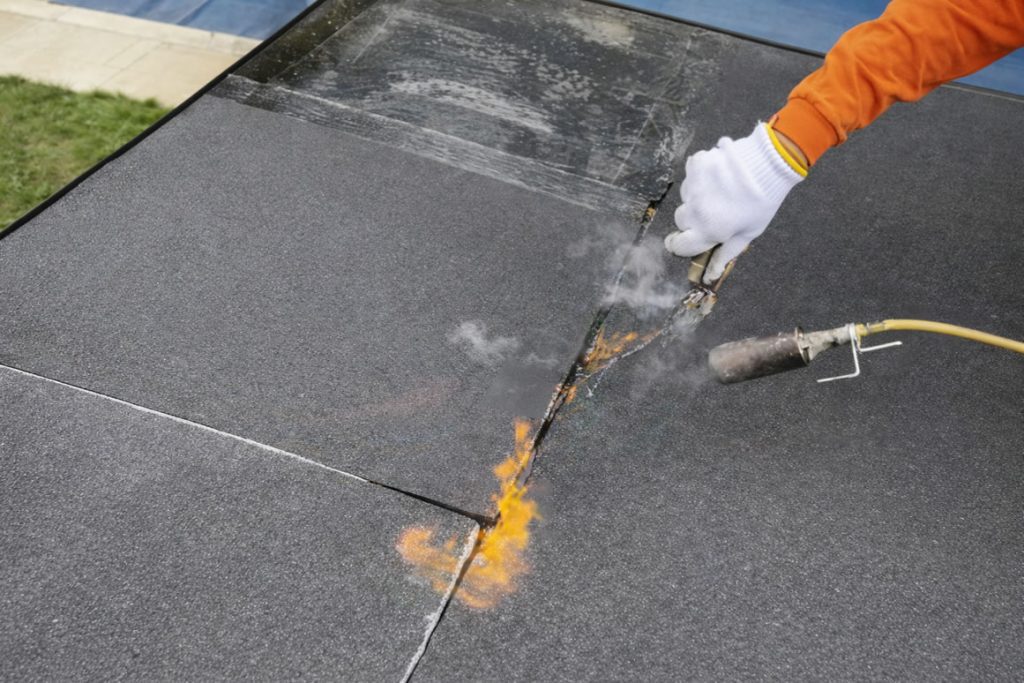
Torch-on felt patching (common):
- roofer uses a torch to bond the patch properly
- edges are dressed and sealed cleanly
- heat is controlled to avoid scorching
Cold-applied patching (sometimes used):
- used where a torch is unsuitable (risk areas)
- relies on compatible adhesive/compound and correct priming
- needs careful edge sealing
A good roofer will match the method to the roof and safety conditions.
7) Multi-layer repair when required (not always single-layer)
Many felt roofs are built in layers. A proper repair may involve:
- repairing the base layer if it’s damaged
- reapplying a cap sheet patch over the top
- ensuring water-shedding direction is correct
If the lower layer is compromised, patching only the top can still leak.
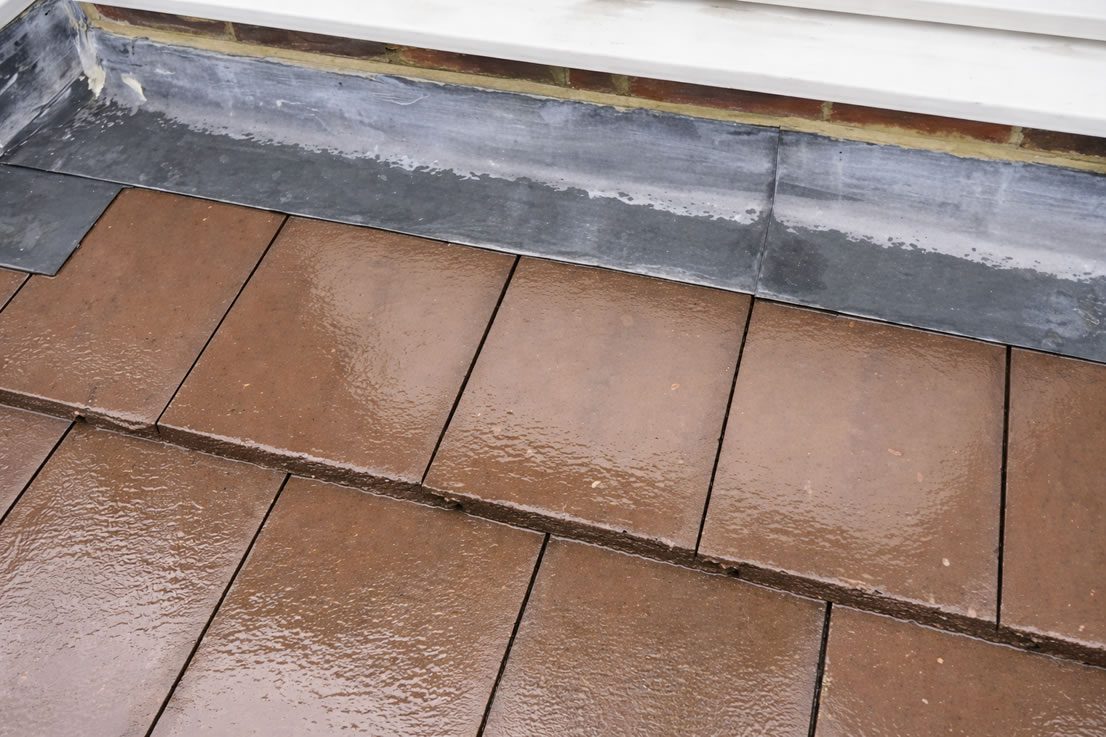
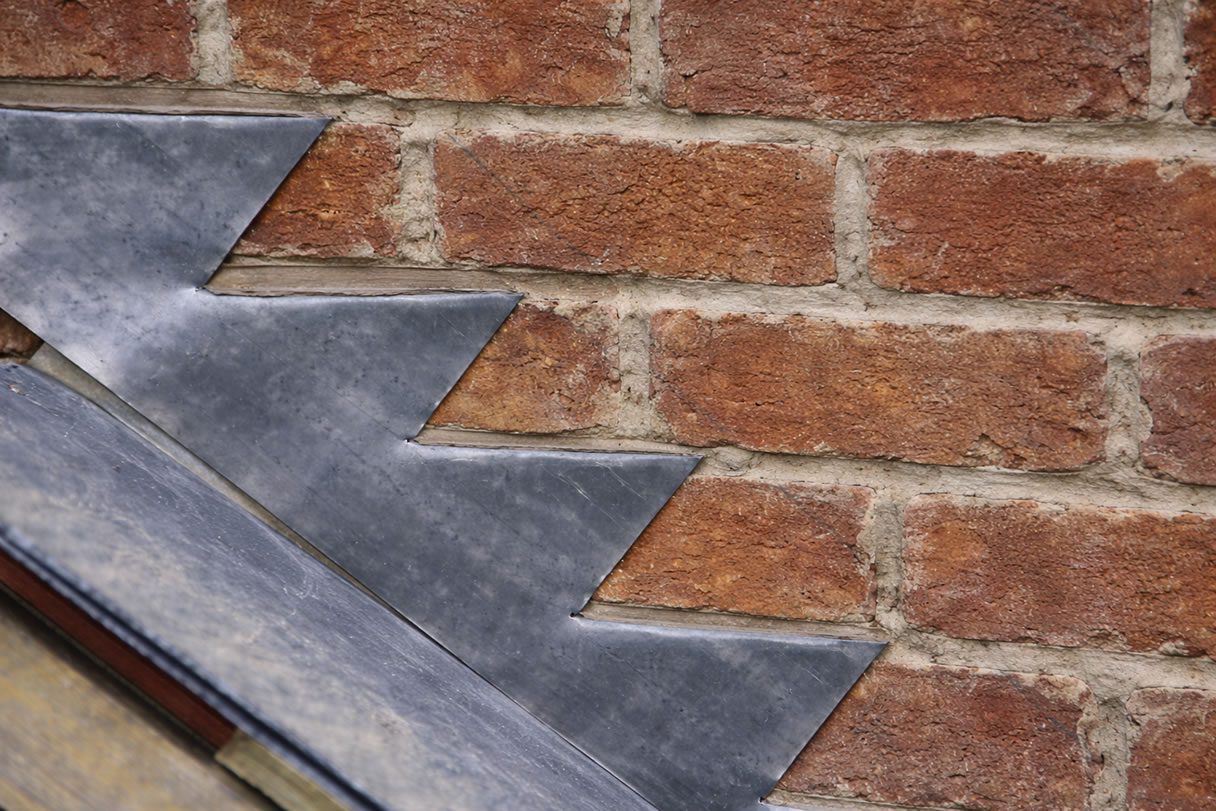
8) Reinstating details around edges, corners and upstands
The most common felt leaks are at:
- edges and drip trims
- wall upstands
- rooflight kerbs
- pipe penetrations
- outlets
So a proper repair often includes re-sealing or rebuilding the detail near the patch. Otherwise, the “patched” roof still leaks from the weak junction.
9) Testing drainage and checking for ponding
A roofer should:
- ensure outlets are clear
- confirm water can run off without pooling against the repair
- check for dips that might stress the patch
Ponding doesn’t always cause immediate leaks, but it shortens roof life and makes repairs fail sooner.
10) Finishing neatly and documenting the work
A proper repair looks tidy:
- clean, sealed edges
- no random blobs of mastic
- photos where possible
- advice on monitoring after heavy rain
Clear documentation also helps if you ever sell the property or need follow-up work.
Red Flags: Signs It’s Not a Proper Patch Repair
Be cautious if someone:
- suggests sealant as the main fix
- patches without cleaning/drying the surface
- doesn’t check outlets and edges
- can’t explain whether the deck is sound
- offers a “quick patch” on a roof that is cracking everywhere
In those cases, an overlay or replacement might be the more honest recommendation.
Typical Costs for Felt Patch Repairs (UK Guide)
| Work type | Typical cost range |
|---|---|
| Small felt patch repair (localised) | £200–£600 |
| Patch repair with edge/detail work | £350–£900 |
| Multiple patches / larger area | £600–£1,500+ |
| Deck repair (add-on if needed) | £400–£2,000+ |
Access, roof size, and whether the deck is wet have the biggest impact. Flat roof repair costs varies.
How to Get Accurate Quotes for a Felt Patch Repair
Step 1: Describe where the roof leaks
Mention if it’s near an edge, wall, rooflight or outlet.
Step 2: Share photos
Take photos from the ground if you can, plus internal staining. If you can safely access the flat roof from a doorway/balcony (no risky climbing), include a few pictures of the felt surface.
Step 3: Ask what’s included
You want the roofer to state:
- how they’ll prep and dry the area
- patch size and overlap approach
- whether they’ll address edges/outlets nearby
- whether they found any soft deck areas
If you need a felt roof patch repair, submit a quick enquiry with your postcode. We’ll match you with local roofers so you can compare free, no-obligation quotes.
FAQs
How long should a felt patch repair last?
A properly bonded patch on a sound roof can last for years. However, patching won’t last if the surrounding felt is failing or the deck is damp.
Can I use a felt repair kit myself?
Some kits can help very short-term, but roof work at height is risky. Also, poor prep and trapped moisture often make DIY patches fail quickly.
Is it better to patch or replace a felt flat roof?
Patch works for local damage on an otherwise sound roof. If the roof is cracking widely, blistering everywhere, or has soft spots, replacement often becomes better value.
Pingback: Felt Garage Roof Repairs: When Patching Works vs Full Recover (UK)