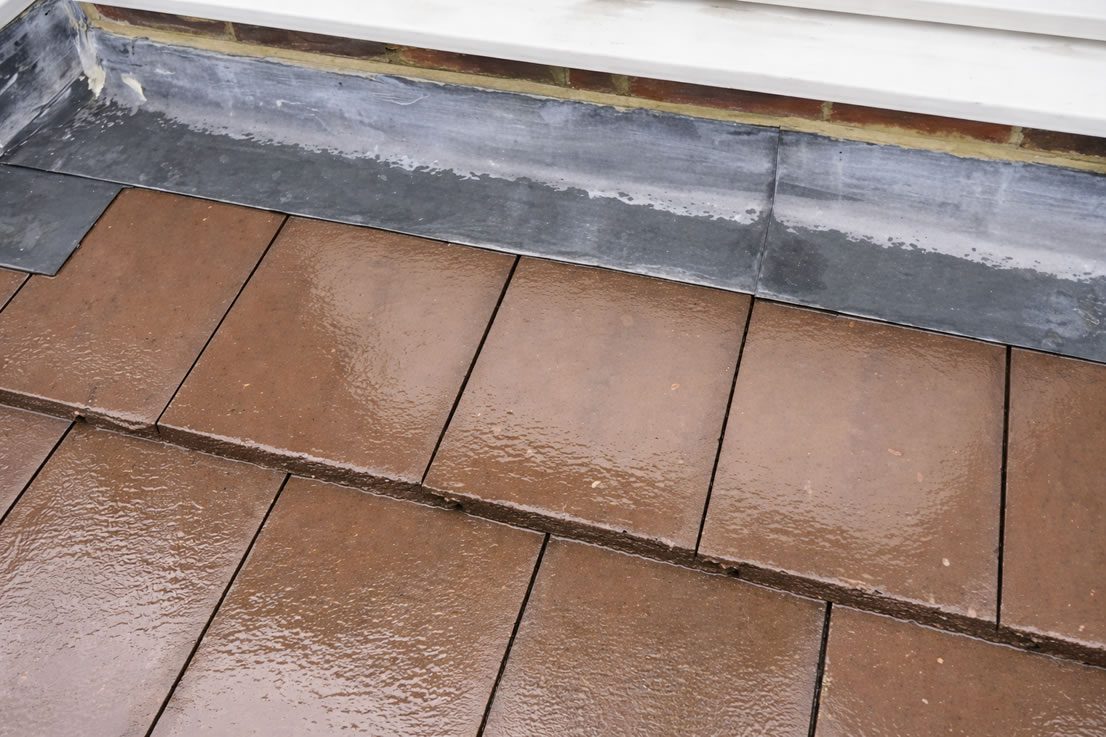
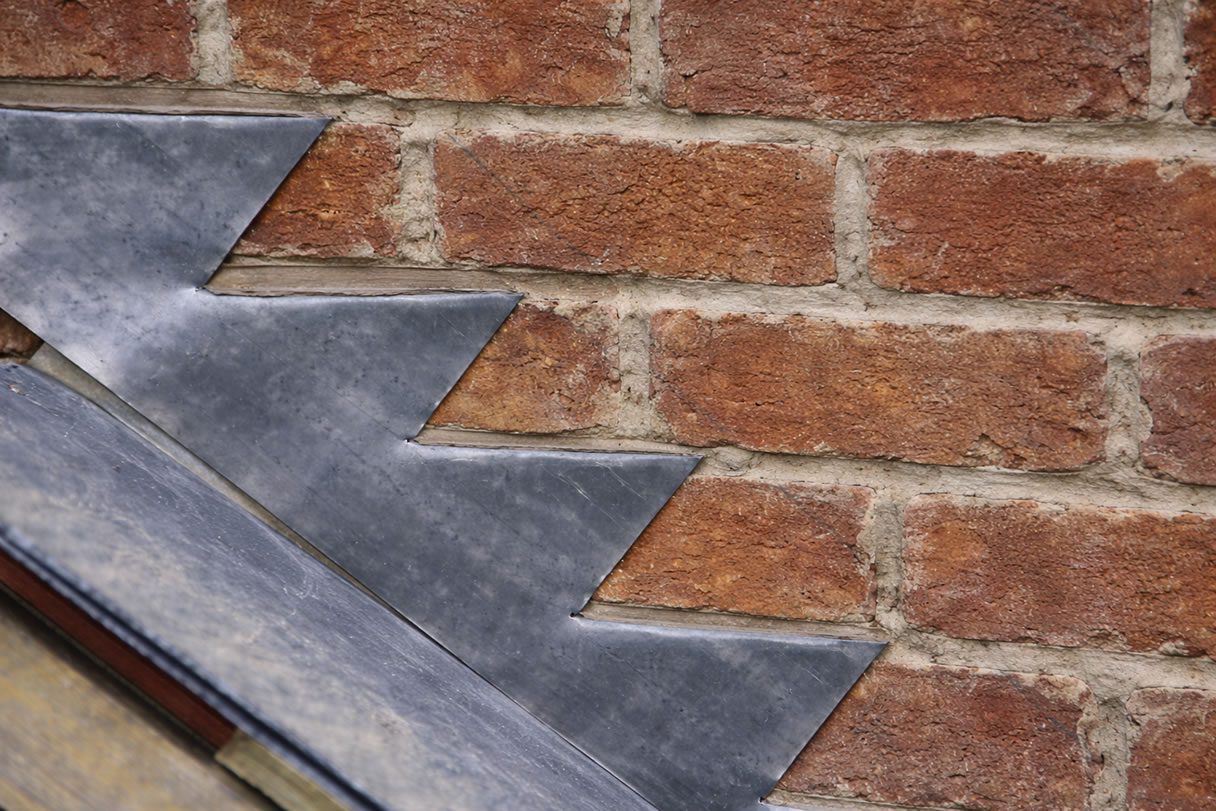
EPDM (rubber) roofing is popular on UK flat roofs because it’s flexible, durable, and often installed in large single sheets with fewer joints than felt. However, when EPDM roofs leak, the culprit is frequently a seam, edge detail, or penetration rather than a random hole in the middle of the membrane.
This guide explains how EPDM seams fail, what symptoms homeowners see, and how roofers fix seam problems properly.
What Counts as a “Seam” on an EPDM Roof?
On many domestic EPDM roofs, the membrane may be one piece — so you might have very few seams. However, you can still have:
- seams where two EPDM sheets join (common on larger roofs)
- seams at edge trims and terminations
- joints around outlets, pipe penetrations, rooflights, and upstands
- joins where repairs or extensions were added later
So “seam failure” often means any joint where water can get under the rubber.
How EPDM Seams Fail (Most Common Causes)
1) Poor surface preparation during installation
Seams rely on correct cleaning and priming. If dust, moisture, or residue remains, tapes and adhesives don’t bond fully.
What you might notice: leaks soon after installation or recurring drips in the same area.
2) Incorrect seam tape application
EPDM seams often use a seam tape system. If tape was:
- stretched
- wrinkled
- not rolled properly
- or applied with poor overlap
…water can track along the joint.
Common symptom: a leak that appears after heavy rain and seems to “travel” under the membrane.
3) Temperature and timing issues
If seams were installed in poor conditions (too cold, damp, or rushed), bonding can be weaker. Over time, that weakness shows up.
4) Movement at edges and terminations
EPDM expands and contracts. If edge trims, termination bars, or fixings are poor, the membrane can pull slightly. That can open a path for water.
Common symptom: leaks near edges, especially after wind.
5) Water back-up from outlets or ponding
EPDM can handle standing water better than many materials. However, seams near outlets still suffer if:
- outlets block
- water backs up
- debris builds up and keeps areas wet
Persistent water pressure finds weaknesses.
6) Damage from foot traffic or dropped objects near seams
Walkways, repairs by other trades, or DIY ladder work can stress or nick the membrane, especially near joints.
7) Poor detailing around penetrations
Pipes, rooflights, and wall upstands require proper EPDM-compatible flashing details. A “sealant-only” approach often fails.
Common symptom: leak appears around a vent pipe, rooflight kerb, or wall junction.
Signs an EPDM Seam Is Failing
Look for:
- leaks that appear close to a seam line or edge
- damp patches that worsen after heavy rain
- bubbling or lifting at a seam edge
- visible separation, wrinkles, or gaps at a joint
- water staining near walls or rooflights
Because water can track under EPDM, the internal drip point may be away from the seam. Therefore, diagnosis matters.
How Roofers Diagnose EPDM Seam Leaks
A good roofer will typically:
- inspect seams, edges, trims, and outlets first
- check terminations and upstands for lifting
- look for debris paths and ponding patterns
- check for hidden water tracking under the membrane
- assess whether the issue is local or systemic
Some use controlled testing or moisture checks if the leak is stubborn.
How EPDM Seam Repairs Are Done Properly
Fix A: Clean, prime, and re-tape the seam (most common)
For local seam failure, roofers often:
- clean the seam area thoroughly
- apply EPDM primer correctly
- install new seam tape or patch material with proper overlap
- roll it firmly to activate the bond
- seal edges using compatible EPDM lap sealant where required
This works well when the membrane is otherwise sound.
Fix B: Patch over the seam area (reinforcement repair)
If the seam edge is compromised or damaged, roofers may:
- patch over the seam with a larger EPDM patch
- extend beyond the failure zone
- ensure correct priming and rolling
This can add strength and reduce repeat issues.
Fix C: Re-secure edges and terminations (when wind and movement are involved)
If failure is linked to edge movement, the roofer may:
- replace or re-fix edge trims
- add or renew termination bars
- correct fixings at upstands
- re-seal terminations properly
Without this step, seam repairs near edges can fail again.
Fix D: Replace outlet details or penetration flashings
If the seam leak is actually at an outlet or pipe penetration, the roofer may:
- replace the outlet insert
- rebuild the detail using correct EPDM-compatible components
- re-seal with correct overlap and pressure rolling
This is common on small flat roofs over extensions and garages.
Fix E: Overlay or replacement (when seam issues are widespread)
If multiple seams are failing across the roof, it can signal:
- poor installation across the job
- ageing membrane nearing end of life
- underlying deck moisture issues
In those cases, patching becomes less cost-effective. A roofer may recommend an overlay (if suitable) or full replacement.
Typical Costs for EPDM Seam Repairs (UK Guide)
| Work type | Typical cost range |
|---|---|
| Inspection + small local seam repair | £200–£600 |
| Seam repair + edge/trim work | £350–£1,200 |
| Outlet/penetration detail repair | £300–£1,200 |
| Multiple seam repairs / larger roof | £600–£2,000+ |
| Partial replacement / strip and re-lay | £1,500–£6,000+ |
Access, roof size, and how many details need rebuilding affect roof repair cost most.
Homeowner Checklist: What to Ask the Roofer
To avoid a “quick sealant fix”, ask:
- Will you clean and prime the seam area properly?
- Are you using EPDM seam tape and pressure rolling?
- Are edge trims/termination bars secure, or do they need fixing too?
- Are outlets and upstands included in the inspection?
- Will you show photos of the repaired seam and explain the cause?
Clear answers usually mean a more reliable roof repairs.
FAQs
Can EPDM seams be repaired without replacing the whole roof?
Yes, in many cases. Local seam repairs with correct cleaning, priming and seam tape can be very effective if the rest of the roof is sound.
Is sealant alone enough on EPDM seams?
Usually no. Sealant can help finish an edge, but a proper repair typically relies on compatible seam tape and correct bonding.
Why does an EPDM roof leak at the edges?
Edge trims and terminations take wind stress and movement. If fixings are weak or detailing is poor, water can get under the membrane and track inward.
If you suspect an EPDM seam leak, submit a quick enquiry with your postcode and a few photos. We’ll match you with local roofers so you can compare free, no-obligation quotes.