
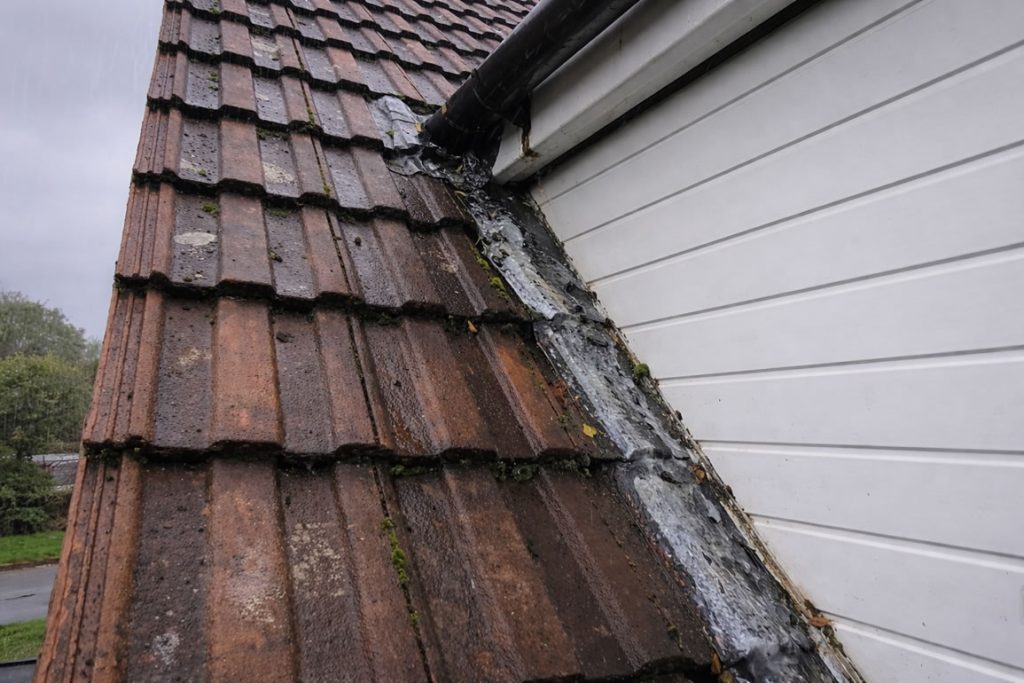
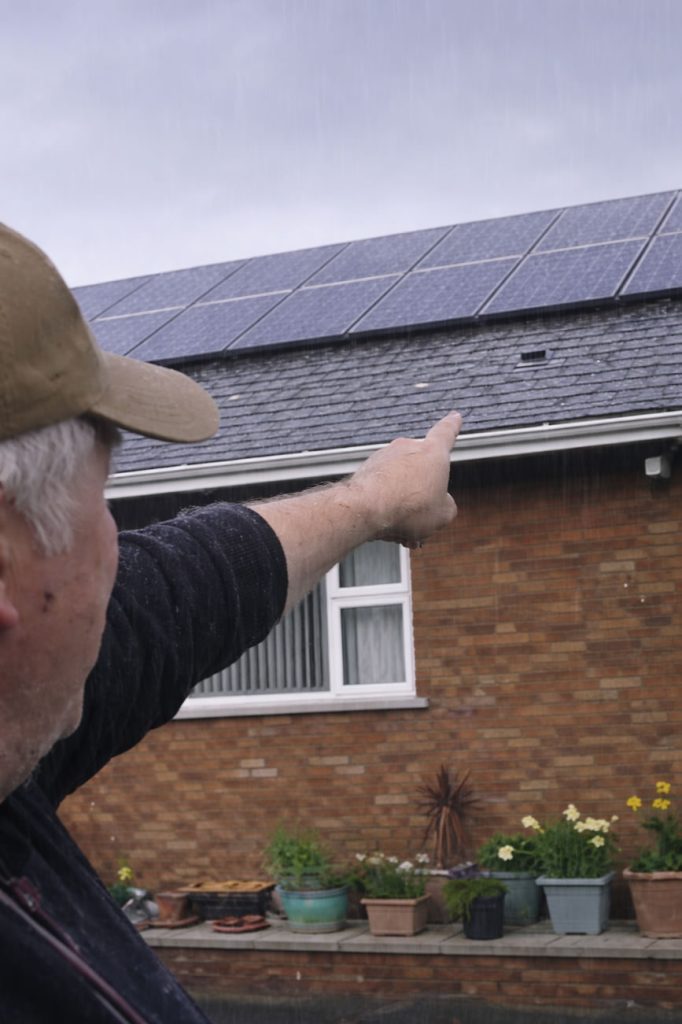
High winds and driving rain can expose weak points quickly — slipped tiles, lifted ridge pieces, damaged flashing, or torn flat roof coverings. If you’ve had a storm and now suspect roof damage, acting fast can prevent further water ingress and more expensive repairs.
Common storm damage we help with:
- Missing/slipped roof tiles or slates
- Loose ridge tiles, verges or hip tiles
- Damaged valleys (lead/GRP) and junctions
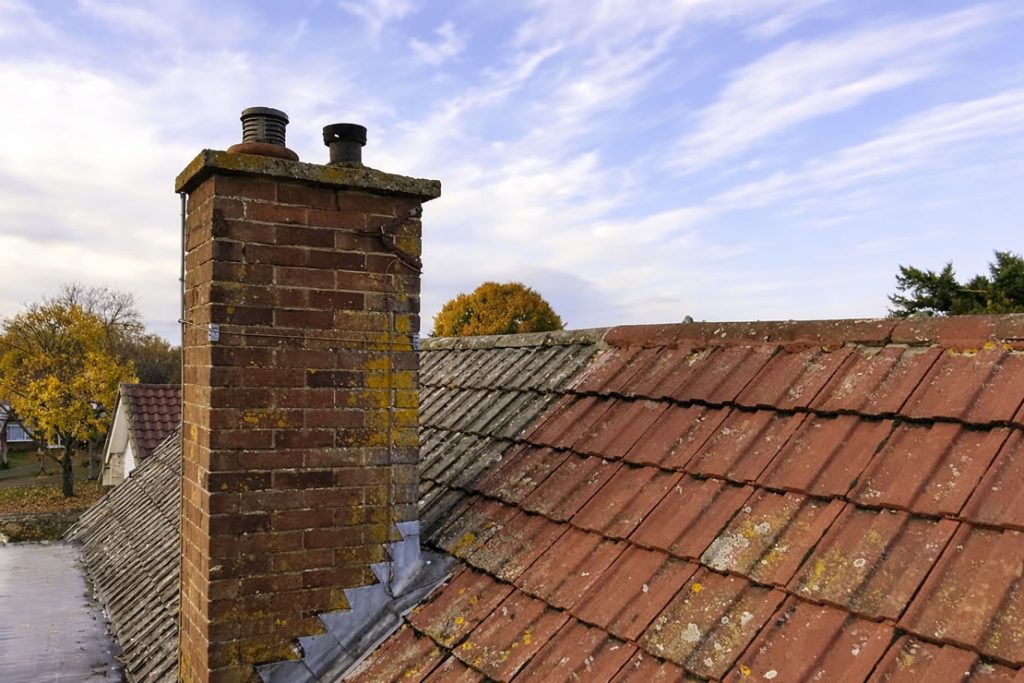
- Leaks around chimneys and flashing
- Flat roof edges lifted, seams split, membrane damage
- Guttering pulled loose or overflowing due to debris
- Damage to fascias/soffits/roofline boards
Describe the storm damage + add your postcode to get quotes from local roofers.
Signs Your Roof Has Storm Damage
Sometimes damage is obvious (tiles in the garden). Other times it’s subtle and shows up later.
Look out for:
- New damp patches on ceilings or upstairs walls
- Drips during rain or when it’s windy
- Daylight visible in loft spaces (if safely accessible)
- Guttering sagging, leaking at joints, or overflowing constantly
- Bits of mortar/grit in gutters after a storm
- Slates/tiles looking uneven or gaps along ridges/verges
If you’re unsure, a roof inspection is often the safest first step.
Storm Damage: What’s Likely Broken (and How It’s Usually Fixed)
| What you notice | Likely storm damage | Typical repair work |
|---|---|---|
| Tiles/slates missing or slipped | Wind uplift, failed fixings, nail fatigue | Replace/re-fix tiles/slates, check surrounding area |
| Ridge tiles loose / mortar fallen | Ridge bedding failure, movement | Re-bed/repoint ridge, or repair/fit dry ridge sections |
| Leak around chimney | Flashing lifted or split, pointing failure | Repair/replace flashing, repoint as needed |
| Leak down wall/ceiling edge | Verge failure, gutter overflow | Repair verge detail, fix gutters and brackets |
| Flat roof lifted at edge | Trim failure, membrane lifted | Re-secure trims, patch/repair membrane seams |
| Gutter pulled loose | Brackets failed, weight/debris | Re-fix guttering, replace brackets, clear debris |
Storm Damage Roof Repair Costs (UK Guide)
Prices vary depending on access, roof height, urgency, and how widespread the damage is. Use these as typical guide ranges and compare local quotes for accuracy.
| Storm damage repair | Typical cost range | Notes |
|---|---|---|
| Emergency “make safe” (sheeting/securing) | £150–£450 | Often first step if exposed |
| Replace a few tiles/slates | £180–£500 | Matching materials can affect cost |
| Ridge/verge repair (localised) | £250–£900 | Scope varies by failure type |
| Chimney flashing repair (localised) | £300–£1,000 | Access often drives cost |
| Flat roof emergency patch | £200–£700 | Felt/EPDM/GRP differs |
| Gutter re-fix / leaking joint repair | £80–£250 | Minor repairs can be quick |
| Scaffolding (if required) | £450–£1,500+ | Depends on height and duration |
Tip: If scaffolding is required, roofers often do a quick make-safe first, then return for permanent roof repairs once access is in place.
What To Do After Storm Damage (Safe Steps)
1) Prioritise safety
- Keep people away from areas below visible damage
- Don’t attempt roof access in wind/rain
- If you suspect structural issues (sagging ceiling), keep the room clear
2) Reduce internal damage
- Contain leaks with buckets/towels
- Move valuables away from damp areas
- If water is near electrics, avoid touching fittings and switch off circuits only if safe
3) Photograph everything
- Exterior damage (from ground level)
- Interior damage (stains, drips, wet insulation where visible)
- Any debris/tiles that have fallen
4) Arrange a roofer for make-safe and repair
Temporary weatherproofing can prevent further ingress while the roofer plans the full repair.
Insurance and Storm Damage (Homeowner Checklist)
If damage is significant, you may want to check your home insurance and keep good records. Even if you’re not sure you’ll claim, documenting early helps.
| What to do | Why it matters |
|---|---|
| Take photos/videos before any work | Evidence of storm damage and extent |
| Keep copies of quotes/invoices | Useful for claims and comparisons |
| Ask the roofer to describe damage in writing | Helps explain cause and scope |
| Don’t delay emergency make-safe | Prevents further damage (and shows mitigation) |
| Save any displaced tiles/slates | Can support the cause and matching |
(Always follow your insurer’s guidance if you’re making a claim.)
How to Get Storm Damage Roof Repair Quotes
Step 1: Describe what happened
Example: “tiles blown off”, “ridge loose”, “leaking after storm”, “flat roof lifted”.
Step 2: Add your postcode and contact details
So roofers who cover your area can respond.
Step 3: Compare quotes and confirm the plan
Ask whether the quote covers:
- make-safe work (temporary weatherproofing), and/or
- permanent repairs (tiles, ridge/verge/valley, flashing, flat roof membrane)
Get Free Storm Damage Roof Repair Quotes
FAQs – Storm Damage Roof Repair
Is storm damage always obvious?
Not always. Some issues only show up later as leaks, damp patches, or gutter overflow. If you suspect damage, an inspection can prevent bigger repairs.
Should I get “make safe” done first?
If the roof is exposed or actively leaking, yes. Make-safe work reduces further ingress and buys time for a proper repair.
What information should I include in my enquiry?
What happened, when it happened, what you can see, where water shows inside, roof type (flat/pitched), property type (house/garage/extension), and photos if possible.
Can storm damage cause gutter leaks too?
Yes. Debris and wind movement can pull gutters out of alignment, crack joints, or overload brackets, causing overflow and damp.
Do roofers need scaffolding after a storm?
Sometimes. Safe access depends on height, pitch, and repair type. Some repairs can be ladder-access, while others need scaffolding.