A leaking shed roof is annoying, but it’s often one of the easiest roofing problems to fix — if you choose the right repair for the roof type. Many “quick fixes” fail because they only cover the symptom, not the entry point. Therefore, this guide focuses on fast repairs that can genuinely last through British weather.
We’ll cover the common shed roof materials, the usual leak points, and practical repair options that don’t fall apart after the first heavy rain.
First: What Type of Shed Roof Do You Have?
Most UK sheds use one of these:
- Felt (bitumen felt) – the most common
- Shingles – often on higher-end sheds
- Onduline/bitumen corrugated sheets
- Metal sheets
- Polycarbonate/PVC panels (more common on lean-to stores)
Quick fixes work best when they match the material.
The Usual Shed Roof Leak Entry Points
Before you repair, check these common failure points:
1) The ridge line (apex sheds)
Ridge caps lift, crack, or weren’t fitted properly.
2) Edges and eaves
Wind gets under edges and peels felt back. Also, water can track under the edge if the drip detail is poor.
3) Fixings and nail holes
Old nail holes widen and let water in, especially on sheet roofs.
4) Overlaps and seams
Short overlaps + wind-driven rain = leaks.
5) Rot in the roof deck
If the timber beneath is soft, surface repairs won’t last until you fix the structure.
Quick Fixes That Actually Last (By Roof Type)
A) Felt Shed Roof: Long-Lasting Quick Fixes
Fix 1: Patch a small tear properly (not just “paint-on”)
Best for: small splits, punctures, local damage
A proper felt patch includes:
- cutting away loose, brittle felt
- drying the area (important)
- applying a patch with generous overlap
- bonding with a compatible adhesive/repair compound
- sealing edges cleanly so water can’t lift it
Why it lasts: the patch bonds to sound felt and sheds water in the right direction.
Fix 2: Re-secure lifted edges with a batten
Best for: felt lifting at edges in wind
A reliable shed roof repair often uses a thin timber batten:
- tuck the felt back down
- apply adhesive under the edge
- secure a batten over the edge to hold it mechanically
- seal the batten line (where appropriate)
Why it lasts: it stops wind getting under the felt again.
Fix 3: Re-cover the whole shed roof (fast, often worth it)
Best for: multiple leaks, brittle felt, lots of patches
A full felt re-cover on a shed is often quick and affordable:
- remove old ridge/loose felt
- replace any rotten boards
- lay a new felt layer with correct overlaps
- add a proper ridge cap
Why it lasts: you eliminate multiple weak points in one go.
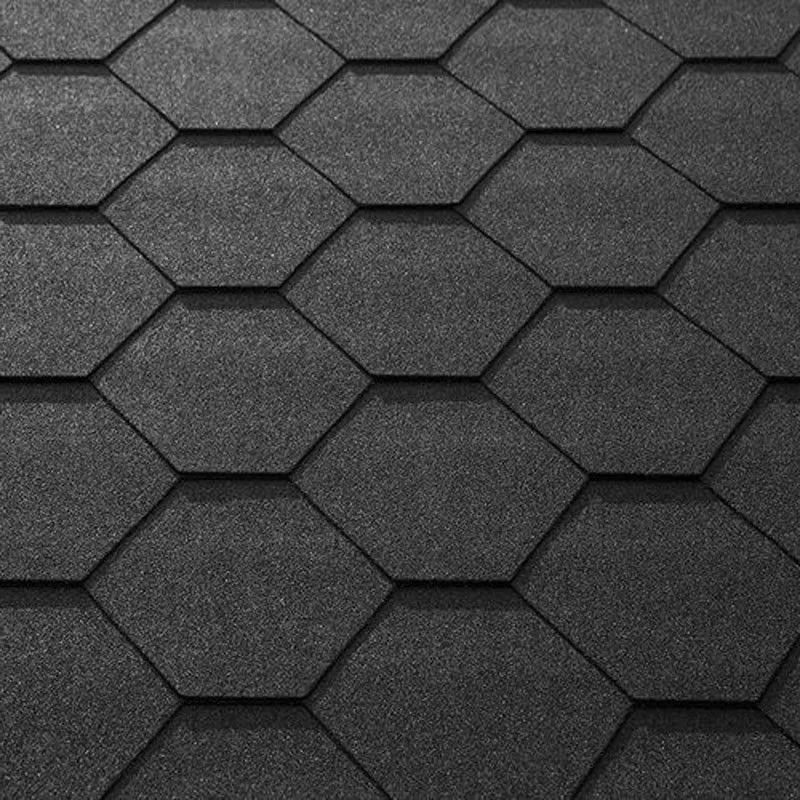
B) Shingle Shed Roof: Long-Lasting Quick Fixes
Fix 1: Replace missing or curled shingles
Best for: local shingle loss and wind damage
Replace the affected shingles and check:
- adhesive strips
- fixings
- ridge cap shingles
Why it lasts: it restores the designed water-shedding pattern.
Fix 2: Improve ridge and edge protection
If shingles keep lifting, add or renew ridge caps and edge strips so wind can’t get under the first course.
C) Onduline / Bitumen Corrugated Sheet Shed Roof
Fix 1: Replace fixings and washers (often the real leak)
Best for: drips aligned with screw/nail lines
Use correct sheet fixings and avoid overtightening.
Why it lasts: most sheet leaks start at worn fixings, not the middle of the sheet.
Fix 2: Improve overlaps
If leaks occur at overlaps:
- increase lap length (where possible)
- ensure laps face away from prevailing wind
- add closure pieces if gaps exist
Why it lasts: wind-driven rain can’t blow back under the joint as easily.
D) Metal Sheet Shed Roof
Fix 1: Replace perished washers and loose screws
Metal roofs often leak at fixings first. New screws + washers can stop leaks quickly.
Fix 2: Treat rust early
If rust has started:
- clean and treat the affected spot
- reseal the edge
- replace heavily corroded sections where needed
Why it lasts: it stops corrosion becoming holes.
E) Polycarbonate / PVC Panels on Lean-to Sheds
Fix 1: Replace cracked panels rather than seal them
Panels move with temperature. Sealant often peels. If a panel is cracked, replacing it is usually the lasting fix.
Fix 2: Renew fixings and closure strips
Closure strips reduce wind-driven rain entering the corrugations and help prevent drips.
When Quick Fixes Won’t Last (And You Should Repair the Structure)
Quick fixes struggle when:
- the roof boards are soft or rotten
- the roof has sagged, creating ponding water
- multiple leaks appear every year
- you can see daylight through the roof deck
- mould and damp persist even after dry weather
In those cases, replacing roof boards and re-covering is usually the smarter spend.
Typical Costs (UK Guide)
Shed roof repairs can be low-cost, especially DIY. However, if you’re hiring someone, here are common ranges:
| Repair type | Typical cost range |
|---|---|
| Small patch repair | £80–£250 |
| Edge re-secure / batten repair | £120–£350 |
| Re-felt a small shed roof | £200–£700 |
| Replace rotten boards (add-on) | £100–£400 |
| Replace a few corrugated panels/fixings | £150–£600 |
Costs vary by shed size and access.
How to Repair a Shed Roof Safely (Homeowner Steps)
Step 1: Pick a dry day
Repairs bond and last longer when surfaces are dry.
Step 2: Find the entry point, not just the drip
Start at edges, ridge, overlaps and fixings first.
Step 3: Fix wind-lift risk
If felt lifts, add mechanical restraint (batten or proper edge detail) rather than relying on adhesive alone.
Step 4: Replace rotten timber
If boards are soft, deal with that first or the repair will fail.
If your shed roof repair is bigger than a quick patch, or you’re not sure what material you’ve got, submit an enquiry with your postcode. We’ll match you with local roofers near me who can quote for repairs or re-covering.
FAQs
What’s the best quick fix for a felt shed roof leak?
A properly bonded patch with generous overlap works for small tears. If edges lift, adding a batten to hold the felt down often lasts longer than adhesive alone.
Can I use sealant for shed roof repairs?
Sealant may help short-term, but it often fails in weather. Patches, correct overlaps, and mechanical restraint typically last longer.
When should I just re-felt the shed roof?
If the felt is brittle, cracked in several places, or already heavily patched, re-felting is usually faster and better value than repeated repairs.