A roof leak can feel urgent because it threatens ceilings, insulation, electrics, and everything you’ve got underneath. However, you can do a few safe checks straight away to limit damage and gather the right info for a roofer. That way, you’ll get faster quotes and a more accurate fix.
Important safety note: Don’t climb onto the roof in wet or windy conditions. Also avoid ladders unless you feel confident and can do it safely. If in doubt, stay on the ground and get a roofer.
Step Zero: Protect Your Home First (5 minutes)
Before you check anything outside, do these quick steps:
- Catch the water
Put a bucket under drips. Then place towels around it to protect carpets and floors. - Move valuables and electrics
Shift furniture, TVs, lamps, extension leads, and chargers away from the damp area. - Pierce a bulging ceiling paint bubble (if needed)
If paint is ballooning, you can carefully make a small hole with a pin or screwdriver to let water drain into a bucket. This can reduce ceiling collapse risk. Do it gently and only if you feel safe. - Take photos
Photograph the stain and the drip location. Also note the time and weather.
The First 7 Safe Checks (No Roof Climbing Needed)
1) Check when it leaks: rain, wind-driven rain, or constant drip
Write down what you notice:
- Does it leak only during heavy rain?
- Does it leak when it’s windy?
- Does it drip even when it’s dry?
This pattern matters because wind-driven rain often points to flashing, verges, ridges, skylights, or chimneys, whereas constant dripping can suggest plumbing, condensation, or stored water in insulation.
2) Look for the “highest wet point” indoors
Water rarely appears exactly below the hole. Instead, it often travels along timbers before it drops.
So, do this:
- Look for the highest point where the ceiling or wall feels damp.
- Check nearby corners, coving, and light fittings.
- If you can access the loft safely, use a torch and look for wet timbers or shiny nail points.
Avoid stepping on loft insulation without safe boards—ceilings can’t take your weight.
3) Check the loft (if safe) for daylight, damp insulation, and trails
If you have safe loft access:
- Look for dark staining on rafters or wet patches on insulation.
- Follow any damp trail upwards towards the roof slope.
- Look for daylight pinholes (they can line up with slipped tiles).
- Note whether the leak sits near a chimney, valley, rooflight, or gable end.
If you see active dripping in the loft, place a container underneath if you can do so safely.
4) Check gutters and downpipes from the ground
Blocked gutters can send water back into the roof edge and brickwork. That can mimic a roof leak.
From ground level, look for:
- Gutters overflowing during rain
- Water cascading behind the gutter (often a joint or bracket issue)
- Damp patches on external walls beneath the gutter line
- A downpipe that leaks at a joint or spills at the shoe
If it’s raining and you spot overflow, tell the roofer. That one clue can save time and money.
5) Scan the roof line from the ground (binoculars help)
Stand back and look for obvious issues:
- Missing or slipped tiles/slates
- An uneven ridge line or cracked ridge mortar
- Gaps at the verge (the edge of the roof at the gable)
- Debris sitting in a valley (the internal angle where two roof slopes meet)
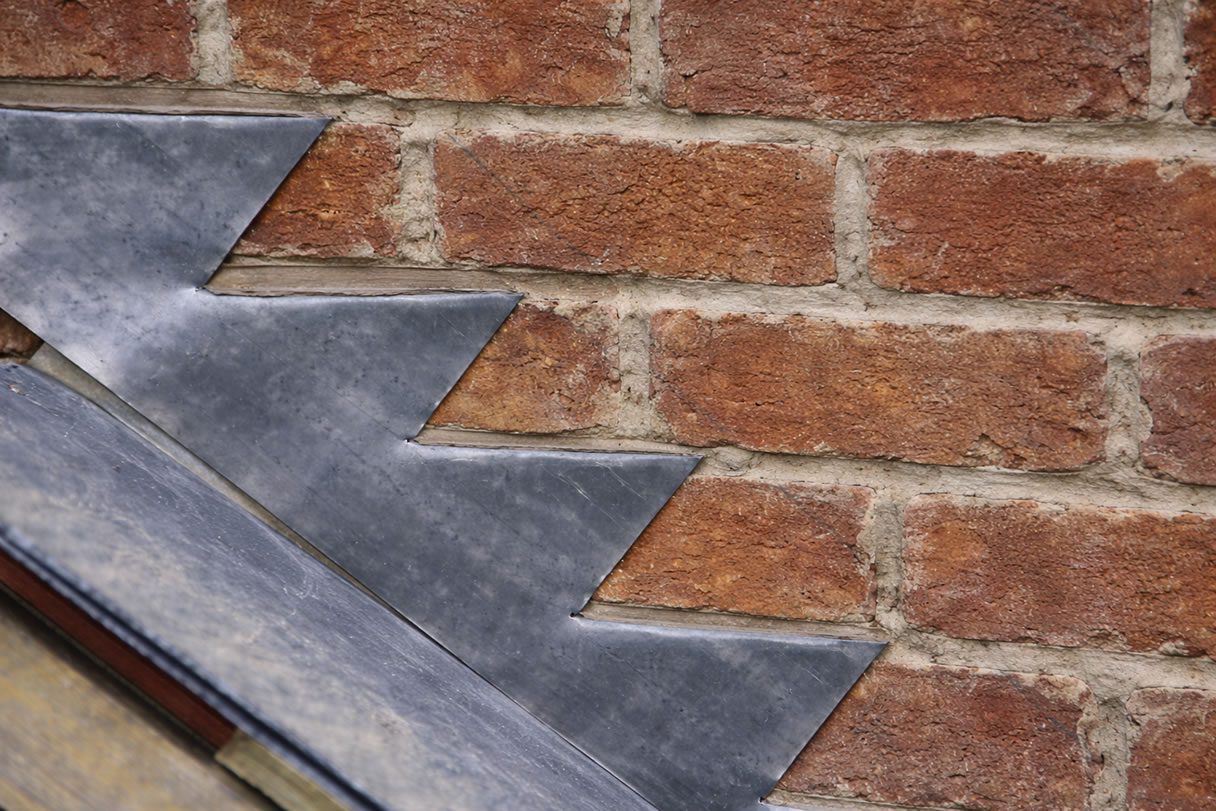
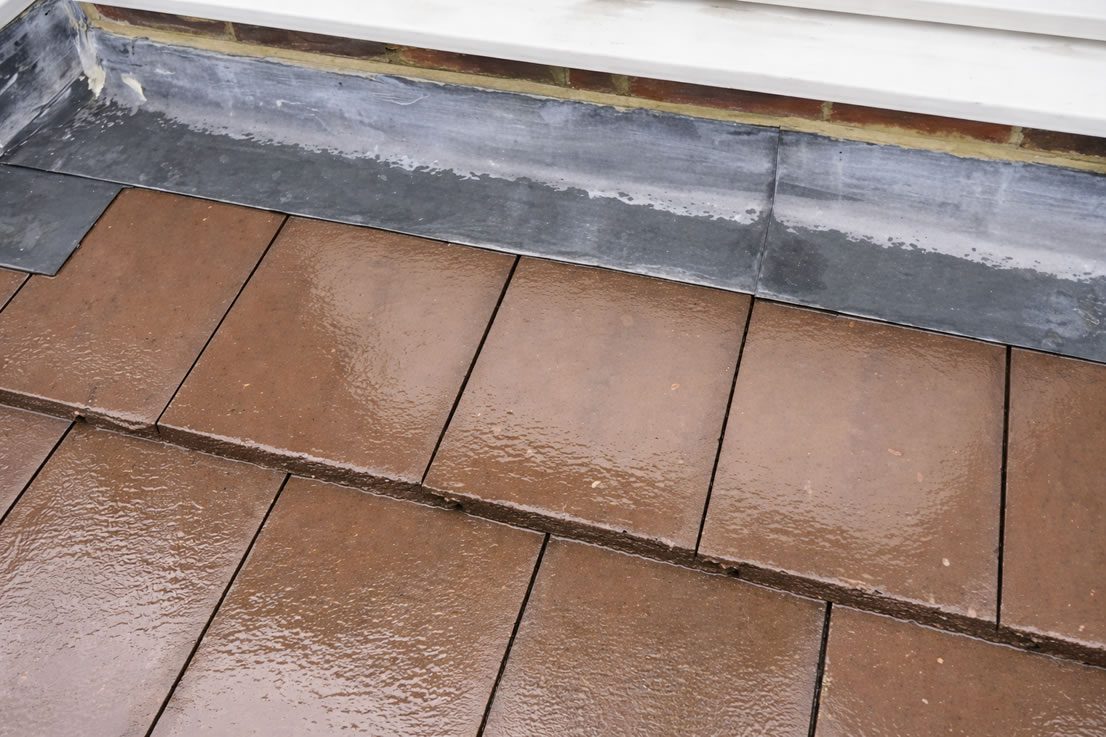
- Loose flashing around chimneys or walls (you might see lifted lead)
If you can take a zoom photo, do it. Roofers love clear visuals.
6) Check common leak hotspots inside rooms: chimney breast and skylight reveals
Two areas cause loads of “mystery leaks”:
Around chimneys
- Stains on the chimney breast often link to flashing, pointing, or chimney-top issues.
- Wind-driven rain makes chimney leaks show up fast.
Around skylights / roof windows
- Damp at the top corners often points to flashing detail or tile alignment around the frame.
If you spot these patterns, mention them in your enquiry. It helps roofers quote more accurately.
7) Rule out condensation (because it can look like a leak)
Condensation can drip and stain too, especially in winter.
Signs it might be condensation:
- Water appears after showers or cooking, not after rain
- Droplets form on cold surfaces (windows, metal pipes, roof window glass)
- The loft feels very humid and poorly ventilated
However, if staining gets worse after rainfall, treat it as a roof leak and call a roofer.
When to Call a Roofer Immediately
Call for help straight away if:
- Water drips near electrics, light fittings, or sockets
- The ceiling is bulging or cracking
- You can see missing tiles or significant storm damage
- Water enters fast during heavy rain
- You suspect a leak around a chimney, valley, or skylight
- The leak affects a flat roof and you notice soft spots or sagging
Also, if you can’t safely access the loft, don’t force it—get a roofer.
What to Send a Roofer (So You Get Faster, Better Quotes)
Send:
- Your postcode
- Where you see the leak (room + ceiling/wall area)
- When it happens (heavy rain / wind / constant drip)
- Any clues from your checks (overflowing gutter, chimney stain, skylight leak)
- Photos (inside stain + any roof photos from ground level)
This info reduces guesswork and speeds up the right fix.
Quick “Making-Safe” Tips (If You’re Waiting for a Repair)
- Keep the bucket in place and change towels regularly
- Move stored items away from damp loft insulation
- Ventilate the room to help drying (without letting rain in)
- Don’t use sealant as a long-term fix—roofers usually need to repair flashing, tiles, or junctions properly
FAQs
Can a small roof leak cause big damage?
Yes. Water can soak insulation, rot timbers, and stain ceilings. Therefore, quick action usually saves money.
Should I go on the roof to find the leak?
No, not in wet, windy, or icy conditions. Stay safe and do ground-level checks instead.
Why does it only leak when it’s windy?
Wind-driven rain forces water into small gaps at ridges, verges, flashing, skylights, and chimneys. That’s why storms reveal weak points.
Can blocked gutters cause internal damp?
Yes. Overflow can soak the roof edge and wall, then show up as damp indoors—especially near external walls.