A leaking carport roof is usually down to one of three things: failed fixings, poor overlaps, or cracked/aged panels. The right fix depends heavily on what the panels are made from. Therefore, before you buy sealant or replace everything, it’s worth identifying the material and the typical weak points.
This guide covers the most common UK carport roof panel materials and the best repair options for each.
First: What Material Are Your Carport Roof Panels?
Most carport roofs in the UK use:
- Polycarbonate (clear/tinted plastic sheets)
- PVC / uPVC corrugated sheets (plastic, often opaque)
- Bitumen corrugated sheets (Onduline-style)
- Metal sheets (steel or aluminium, often box profile)
- GRP fibreglass corrugated sheets (less common, but used on some builds)
- Asbestos cement sheets (older structures — specialist handling required)
If you’re not sure, look for:
- clear/tinted = usually polycarbonate
- black/green wavy “felt-like” sheet = often bitumen
- metallic finish = metal
- translucent but fibrous look = sometimes GRP
The Usual Leak Entry Points (Regardless of Material)
Before we get into material-specific fixes, these are the common causes across most carport panel systems:
1) Fixing screws and washers
Washers perish, screws loosen, and water drips straight through the hole.
2) Side laps and end laps
If overlaps are too short, wind-driven rain blows back under the joint.
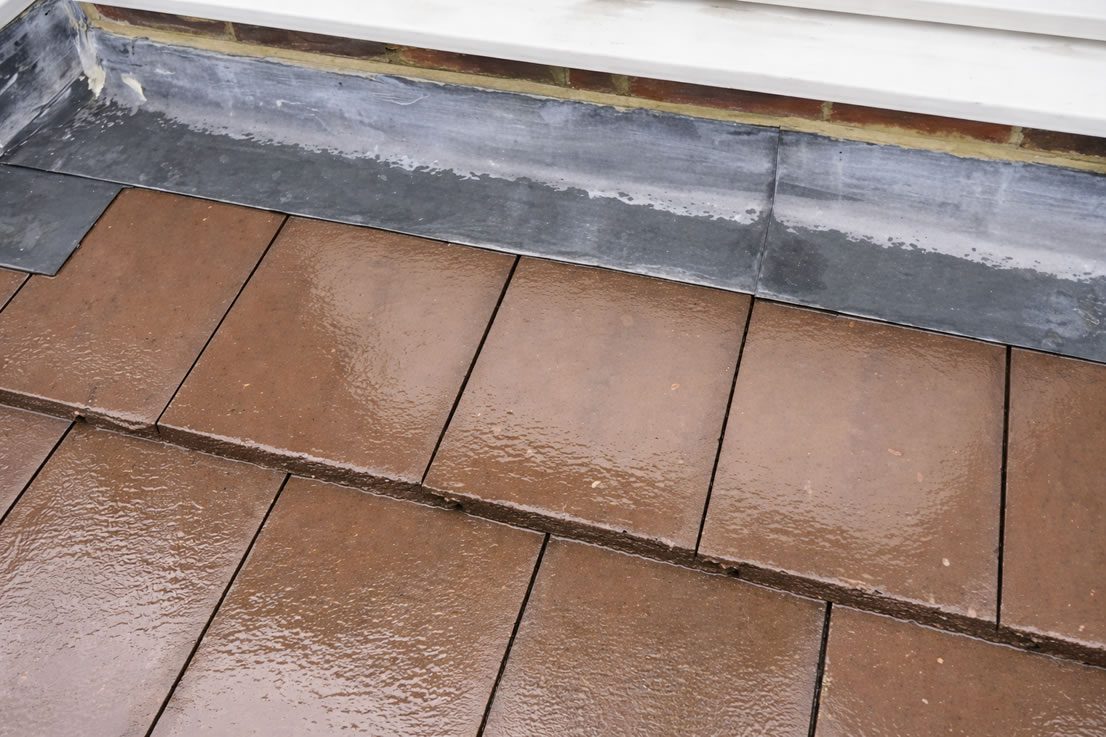
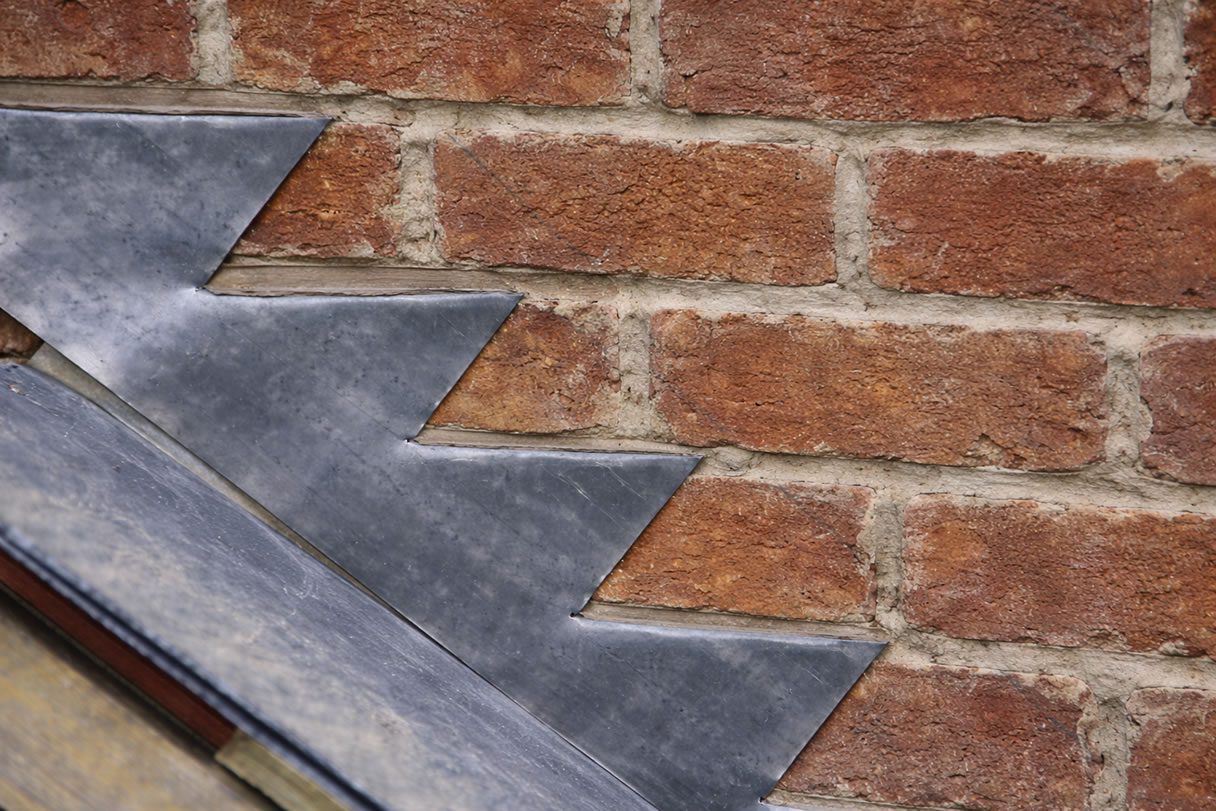
3) Ridge/abutment flashing (where it meets a wall/roof)
If the carport sits against a wall, poor flashing or a cracked seal line is a common leak source.
4) Sagging panels and ponding
If panels sag, water pools and finds weak points at fixings and overlaps.
5) UV ageing and cracking
Sunlight makes many plastics brittle over time.
Fix Options by Material
1) Polycarbonate Panels (Clear / Tinted)
Polycarbonate is tough, but it expands and contracts with temperature. That movement stresses fixings and seals.
Common failure points
- cracked fixing holes from overtightened screws
- failed foam closure strips at overlaps
- end laps too short for the roof pitch
- sheet joints pulling apart over time
Best fixes
- Replace fixings with correct roofing screws + new washers (don’t overtighten)
- Fit proper closure strips to stop wind-driven rain and draughts
- Increase overlap if leaks occur at joints (often better than sealant)
- Replace cracked sheets rather than trying to seal cracks long-term
Avoid: smearing sealant over joints as the main fix. It often peels because the sheets move.
2) PVC / uPVC Corrugated Sheets (Opaque Plastic)
These sheets can become brittle with UV exposure.
Common failure points
- splits along corrugations
- perished washers
- cracks around fixings
- warped sheets that lift at edges
Best fixes
- Replace cracked panels (plastic splits tend to spread)
- Renew fixings and washers
- Add extra support battens/purlins if sheets flex too much
- Replace closure strips at eaves/ridge/abutments
3) Bitumen Corrugated Sheets (Onduline-Style)
Bitumen sheets can leak when fixings loosen or the sheet starts to deform.
Common failure points
- nail/screw fixings backing out
- sheet softening and sagging over time
- end laps letting water blow back
- damage from walking on the roof
Best fixes
- Replace fixings with correct bitumen sheet fixings
- Add more fixings where sheets lift (only if the sheet isn’t degraded)
- Replace individual sheets if sagging/cracking is widespread
- Improve overlaps and add closure pieces if wind-driven rain is the issue
If the sheet has gone soft and deformed widely, replacement is usually the most reliable option.
4) Metal Panels (Box Profile / Corrugated Steel)
Metal roofs often leak at fixings or where sheets have been cut poorly.
Common failure points
- perished washers on self-drilling screws
- overtightened screws deforming the sheet
- rust at cut edges or around old fixings
- poor flashing at wall junctions
Best fixes
- Replace all washers / screws in the leak area (often solves drips fast)
- Treat rust and protect cut edges if corrosion is starting
- Replace badly corroded sheets if rust has spread
- Install proper flashing where the carport meets a wall
Metal can last well, so a targeted repair is often worthwhile.
5) GRP Corrugated Sheets (Fibreglass Panels)
GRP sheets can crack with movement and can degrade from UV over time.
Common failure points
- hairline cracks that widen
- brittle areas around fixings
- leaks at overlaps because the sheet has warped
- degraded surface that looks “chopped strand” or rough
Best fixes
- Replace panels with cracks through the sheet
- Renew fixings and washers
- Improve support if flexing is causing repeated cracking
- Consider upgrading material if multiple panels are degraded
6) Asbestos Cement Sheets (Older Carports)
If your carport roof uses asbestos cement sheets, do not drill, cut, sand, or break them. Disturbing asbestos can release fibres.
Best next step
- arrange an inspection with a suitable professional
- discuss options for safe repair or replacement
Quick Decision Table: Repair or Replace?
| What you see | Most likely fix |
|---|---|
| Drips at screw points only | Replace screws + washers |
| Leaks at overlap lines | Increase overlaps / add closure strips |
| Cracks around fixings | Replace the sheet (or local section) |
| Multiple brittle cracks across panels | Replace roof covering |
| Sagging and ponding | Add support or replace with correct structure |
| Leaks at wall junction | Install/repair flashing |
Typical Costs (UK Guide)
Carport roof replacement costs vary widely by size and access, but these are common ranges:
| Work type | Typical cost range |
|---|---|
| Replace fixings and washers (localised) | £150–£450 |
| Replace a few panels | £250–£900 |
| Replace most/all panels (small carport) | £700–£2,500+ |
| Add/repair flashing at wall junction | £200–£700 |
| Structural support improvements (if needed) | £300–£1,500+ |
How to Narrow Down the Leak Safely
Step 1: Check in rain (from a safe position)
Look for whether drips align with screws, overlaps, or wall junctions.
Step 2: Take photos of the panel type and the leak area
Wide shot + close-up of fixings/overlaps helps roofers diagnose quickly.
Step 3: Don’t overuse sealant
Sealant often fails on moving panel systems. A mechanical fix (new washers, correct overlap, proper flashing) usually lasts longer.
If your carport roof panels are leaking, submit a quick enquiry with your postcode and photos. We’ll match you with local trades so you can compare free, no-obligation quotes.
FAQs
Why does my carport leak only in windy rain?
Wind-driven rain can blow water back under overlaps and into small gaps around fixings, especially if overlaps are short or closures are missing.
Can I just replace the washers to stop the leak?
Often yes, if leaks are mainly at screw points and the panels are otherwise sound.
Is polycarbonate better than PVC for carports?
Polycarbonate roof panels is usually tougher and more impact-resistant. However, both need correct fixings and allowance for expansion.