

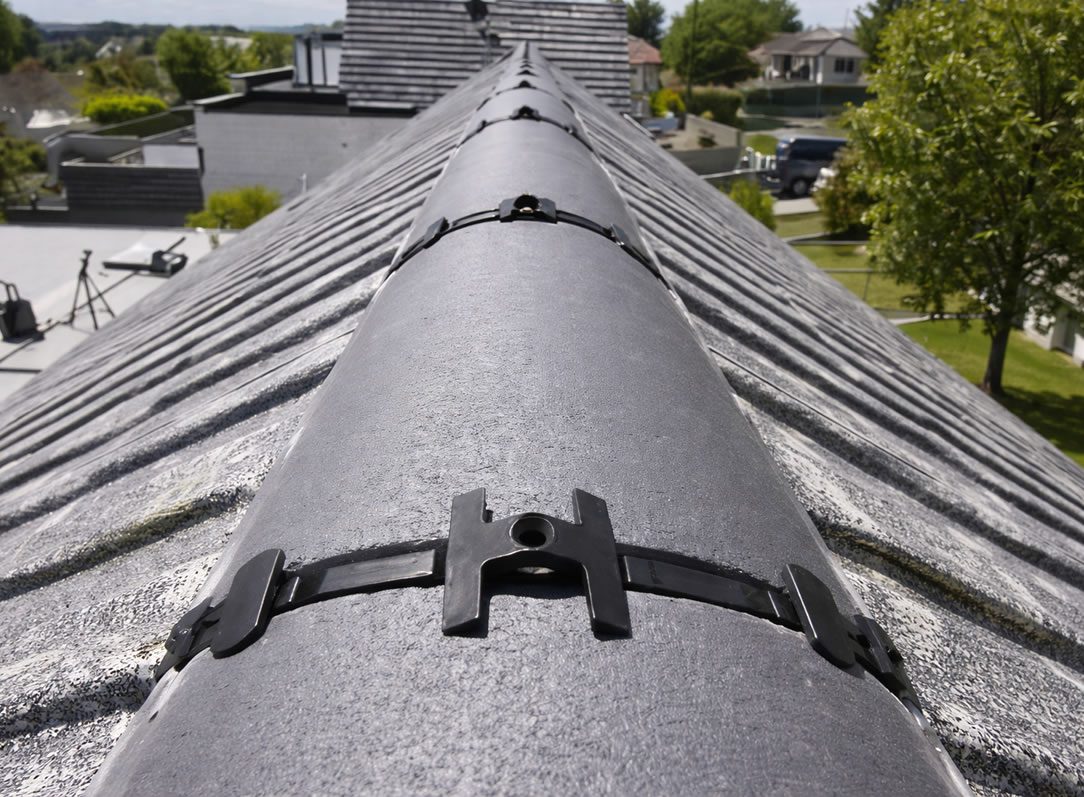
The verge is the edge of your roof at the gable end — the bit where tiles meet the brickwork and the roof “finishes”. If you’ve noticed cracked mortar at the roof edge, missing pointing, or birds getting under the tiles, you’re dealing with a verge issue.
In the UK, you’ll usually hear two options:
- Wet verge (traditional mortar/cement finish)
- Dry verge (a mechanical, capped system)
So which lasts longer? In most cases, dry verge tends to last longer and needs less maintenance, especially in windy or exposed areas. However, the best option still depends on roof type, tile profile, and budget.
Quick Answer: What Usually Lasts Longer?
| Verge type | Typical longevity | Maintenance level | Best for |
|---|---|---|---|
| Wet verge (mortar) | Good when installed well, but can crack over time | Medium to high | Traditional look, budget repairs |
| Dry verge (mechanical) | Often longer-lasting, resists movement | Low | Windy areas, low maintenance, upgrades |
Rule of thumb: If your verge keeps cracking every few years, a dry verge upgrade often gives better long-term value.
What Is a Wet Verge?
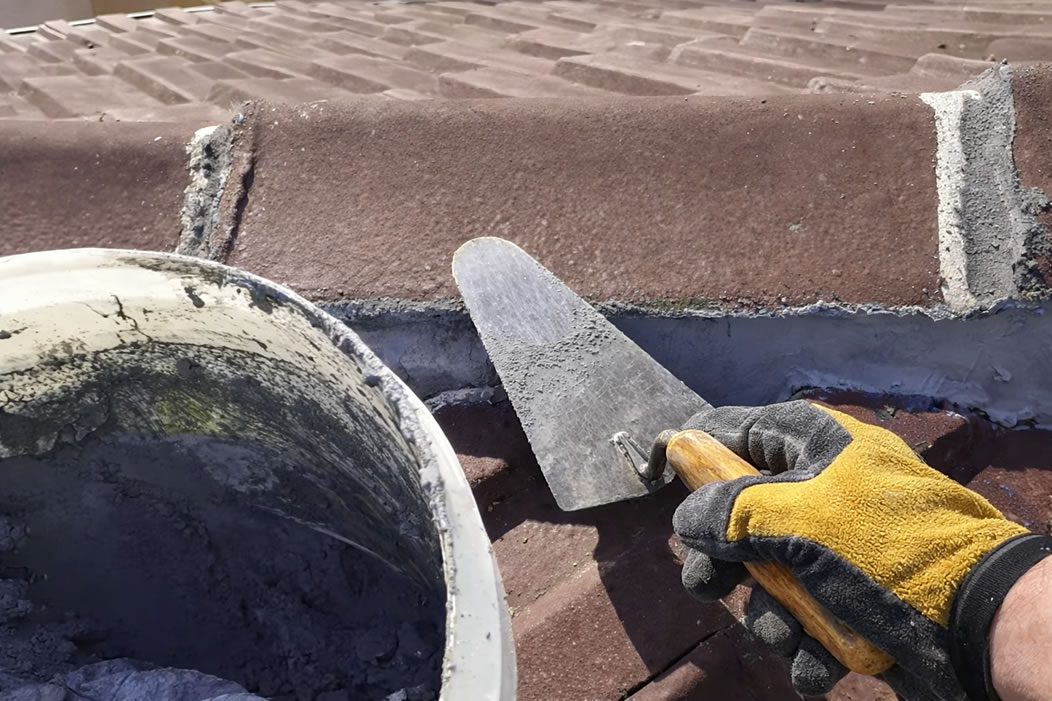
A wet verge uses mortar to secure and finish the verge tiles at the gable end.
Pros
- traditional appearance
- can be cheaper for small, local repairs
- suits older roofs and heritage aesthetics
Cons
- mortar can crack due to movement and frost
- can shed mortar into gutters and onto paths
- may need re-pointing or rebuilding over time
- can leave small gaps that birds use to access the roof
Wet verge can be perfectly fine. However, its performance depends heavily on workmanship and exposure to weather.
What Is a Dry Verge?
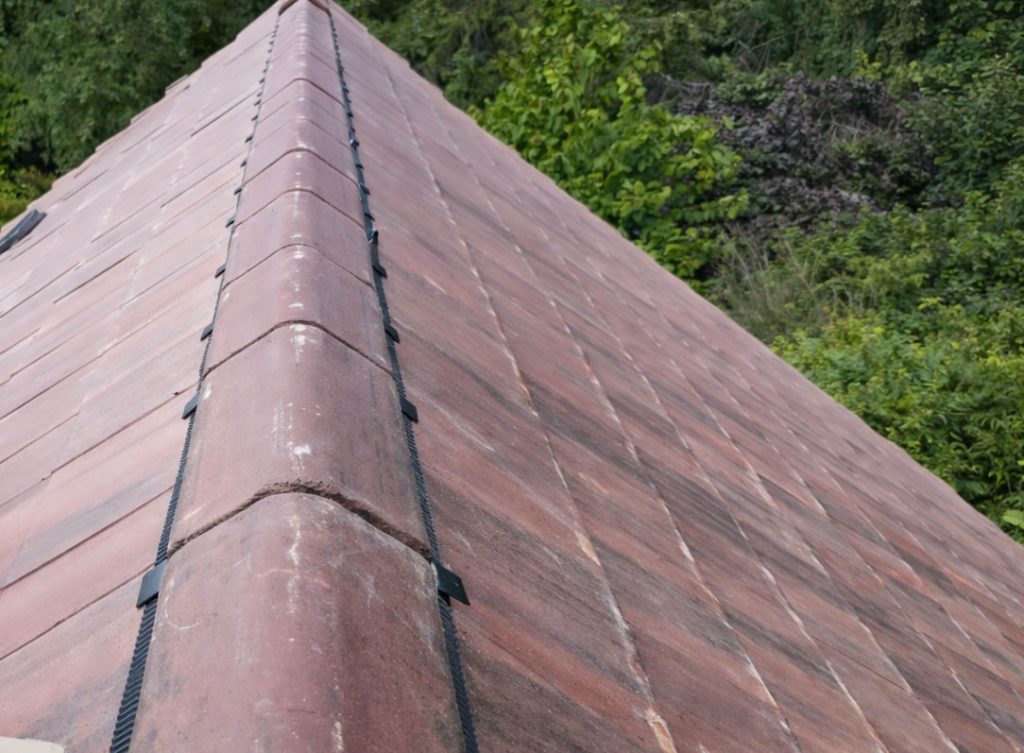
A dry verge is a plastic or composite capping system that mechanically fixes along the verge and caps the tile edges. It’s designed to keep the verge watertight without relying on mortar.
Pros
- resists wind uplift and roof movement better
- less cracking and less ongoing patching
- helps block gaps that birds and pests use
- gives a consistent, tidy finish
Cons
- higher upfront cost than a small mortar patch
- needs the right system for your tile profile
- appearance may look “more modern” (although many systems are subtle)
Therefore, dry verge often suits homeowners who want fewer repeat call-outs.
Common Failure Points: Wet Verge vs Dry Verge
Wet verge: what usually fails first
- Cracks along the mortar line (freeze–thaw damage)
- Loose or missing mortar sections after high winds
- Gaps under verge tiles as bedding breaks down
- Recurrent repairs because the underlying movement remains
- Water tracking at the gable edge in wind-driven rain
Dry verge: what usually fails first (less common, but it happens)
- Poor fitting to tile profile (wrong system for the roof)
- Incorrect fixings or insufficient mechanical fixing
- Problems at corners/junctions if detailing is rushed
- Old, brittle components on very early systems
In other words, dry verge tends to last well when installed correctly, but poor installation can still cause issues.
Which One Is Better in High Winds?
Dry verge usually wins in exposed locations because it:
- mechanically secures the verge edge
- reduces reliance on mortar that can crack
- provides a continuous cap that limits wind-driven rain entry
Therefore, if you live in a coastal area or you’ve had repeated storm issues, dry verge often makes sense.
Typical Costs (UK Guide)
Prices depend on access, roof height, and how much verge length is involved.
| Work type | Typical cost range |
|---|---|
| Small wet verge repair (local patch) | £250–£700 |
| Rebuild wet verge (longer run) | £700–£2,000+ |
| Install/replace dry verge (typical run) | £800–£2,500+ |
| Scaffolding (if required) | £450–£2,000+ |
Tip: Compare like-for-like scope. One verge repair quote might include removing old mortar properly, while another may price a quick patch.
How Roofers Decide What’s Best for Your Roof
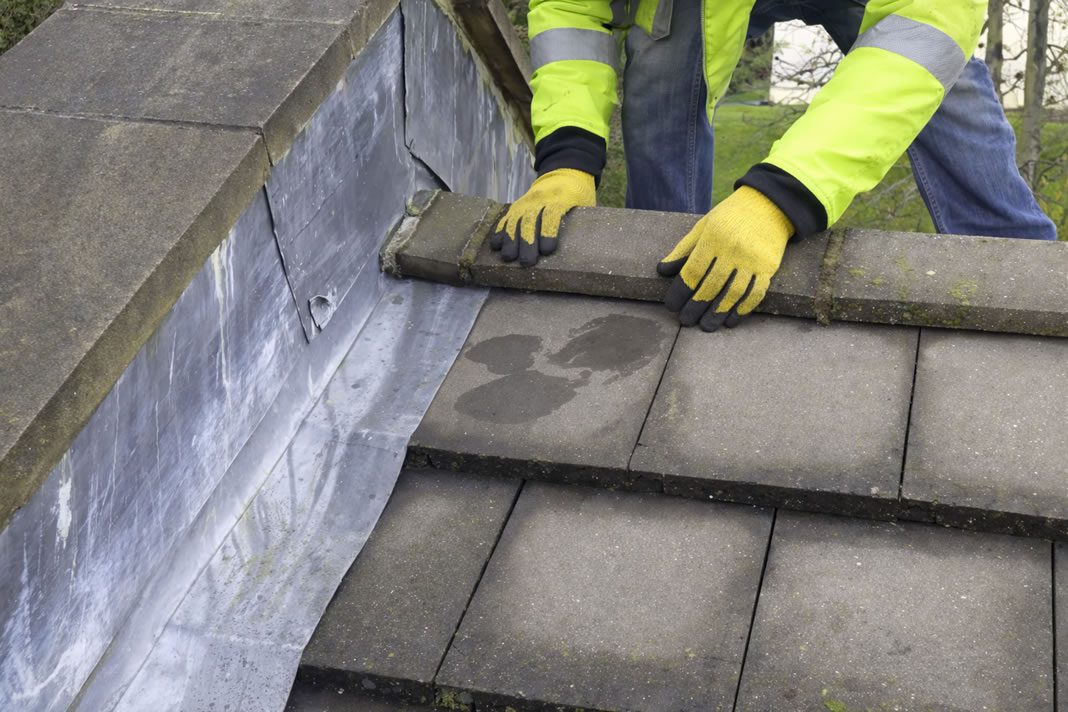
A roofer will usually check:
- whether verge tiles have movement
- extent of mortar failure along the gable edge
- underlay condition at the roof edge
- exposure to prevailing wind and rain
- tile type and profile (important for dry verge compatibility)
If the roof edge shows movement, repeated wet verge patching often becomes poor value. Therefore, a dry verge upgrade can be the more durable choice.
How to Decide in 3 Steps
Step 1: Check how widespread the problem is
If it’s a tiny crack in one area, a local wet verge repair might be enough. If cracks run along the whole verge, consider a rebuild or dry verge.
Step 2: Think about long-term maintenance
If you want fewer repeat repairs, dry verge usually helps.
Step 3: Compare quotes that clearly state the method
Ask roofers to specify:
- wet verge patch vs full rebuild
- dry verge system type and what it includes
- access method and waste removal
If your verge mortar is cracking or gaps are forming, submit a quick enquiry with your postcode to compare free, no-obligation quotes from local roofers.
FAQs
Does wet verge always fail quickly?
No. A well-built wet verge can last a long time, especially in sheltered areas. However, it’s more likely to crack over time than a mechanical system.
Can dry verge be fitted to any roof?
Most tiled roofs can take dry verge, but the system must match the tile profile and the verge detail. A roofer will confirm compatibility.
Will dry verge stop birds getting in?
It often helps because it caps gaps along the verge. However, roofers may still add additional bird protection where needed.
Pingback: How Long Do Common Roof Repairs Take? (UK Guide)