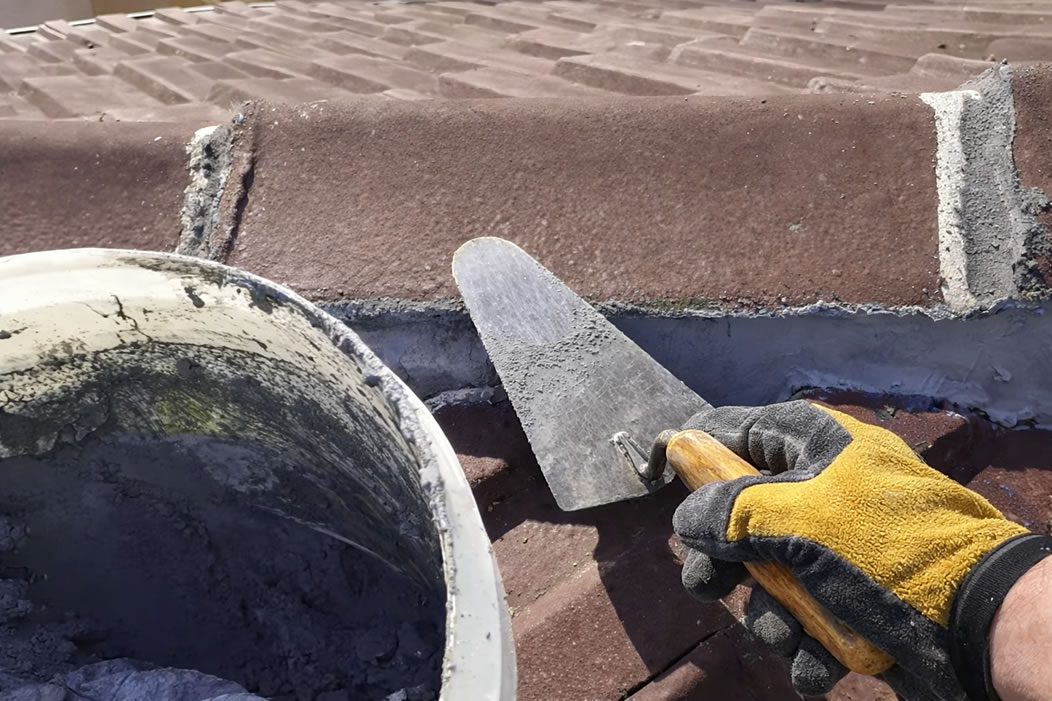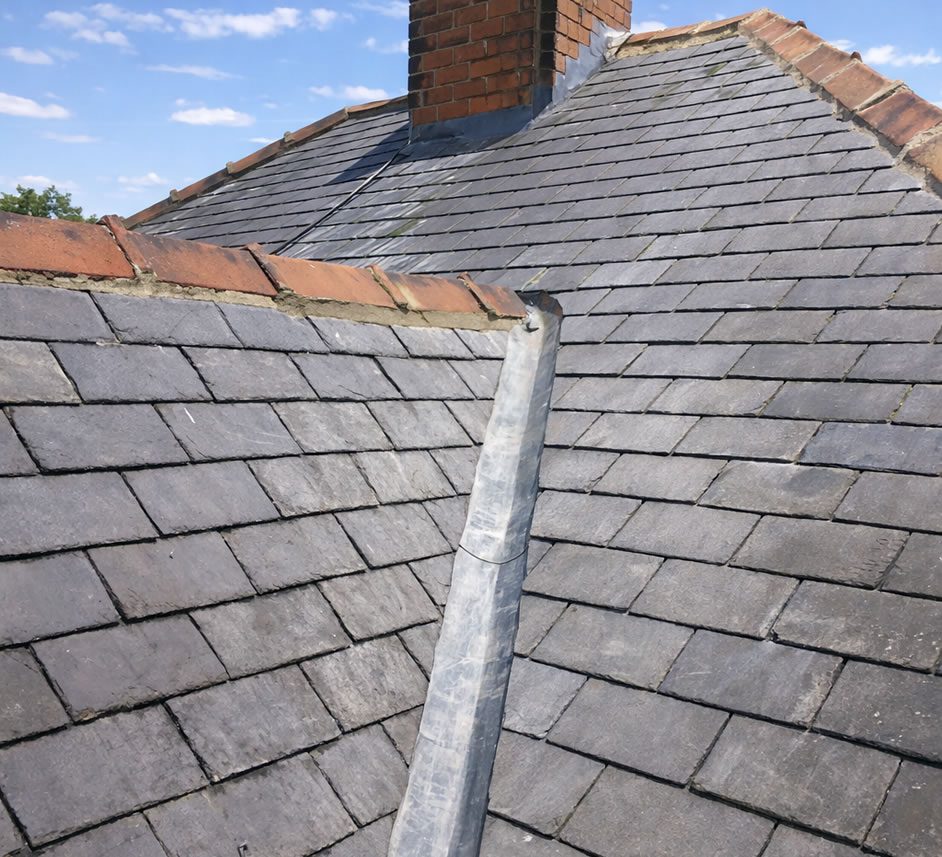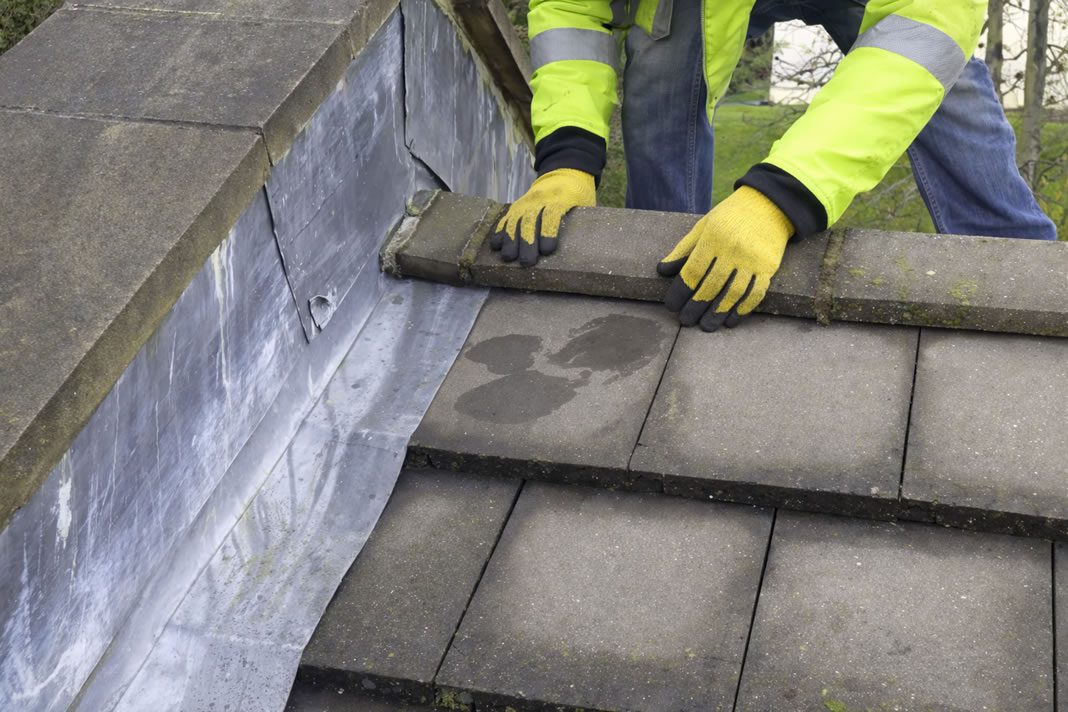
Ridge mortar is the cement-based bedding and pointing that helps secure ridge tiles along the very top of your roof. Over time, weather, frost, and roof movement can cause it to crack and crumble. At first, that can look like a cosmetic problem. However, failing ridge mortar can lead to leaks, loose ridge tiles, and storm damage if it’s left too long.
Below are the most common signs ridge mortar is failing, what causes it, why it matters, and what to do next.
Why Ridge Mortar Fails in the First Place
Ridges sit right where the roof takes the brunt of:
- wind uplift and vibration
- heavy rain and wind-driven rain
- freeze–thaw cycles (water enters tiny cracks, freezes, expands)
- general roof movement over time
Therefore, even a well-installed ridge can start to fail after years of exposure.
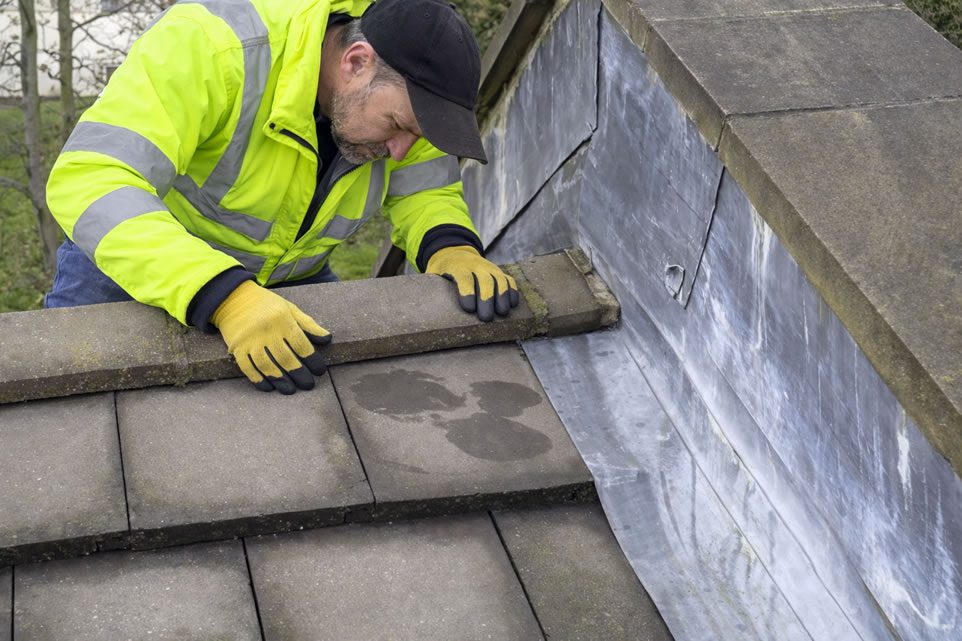
10 Clear Signs Ridge Mortar Is Failing
1) Cracks along the ridge line
Hairline cracks are often the first warning. They usually widen with frost and wind. If cracks run along multiple ridge tiles, the ridge may be loosening.
Why it matters: cracks let water in, which accelerates failure.
2) Missing mortar (gaps you can see from the ground)
If you can see gaps beneath ridge tiles or along the pointing line, mortar has already broken away.
Why it matters: gaps allow wind-driven rain to get under ridge tiles.
3) Bits of mortar in your gutter or on the ground
If you find small chunks in gutters or at the base of the house after windy weather, ridge mortar could be shedding.
Why it matters: that debris often means the ridge is deteriorating faster than you can see from below.
4) An uneven ridge line (it looks “wavy”)
A ridge should look straight. If it dips or looks out of alignment, a tile may be shifting or the bedding has weakened.
Why it matters: movement increases the chance of tiles becoming loose in high winds.
5) Ridge tiles look lifted at one end
Lifted corners or slight tilting can mean the bedding mortar has failed beneath the ridge.
Why it matters: water can be driven under the lifted edge, then travel inside the roof.
6) Leaks that show up in wind-driven rain
If you notice damp patches near upstairs ceilings after storms, ridge issues can be part of the cause, especially when other obvious entry points aren’t visible.
Why it matters: storm-only leaks often indicate weak roof junctions and exposed areas like the ridge.
7) Moss growth concentrated along the ridge
Moss tends to grow where moisture lingers. If it’s heavy around the ridge line, mortar cracks and moisture retention may be contributing.
Why it matters: moss can hold water and worsen freeze–thaw damage.
8) Visible mortar “crumbly” texture or powdering
If mortar looks sandy, flaky, or powdery from the ground, it’s losing strength.
Why it matters: weak mortar can fail suddenly in a storm.
9) A repair that keeps cracking again
If a ridge was repointed recently but cracks returned, the issue may be movement or failed bedding rather than surface pointing.
Why it matters: repeat patching can waste money if the ridge needs rebedding or a dry ridge upgrade.
10) You’ve had recent high winds or storms
After major storms, ridge lines are a common failure point. Even if nothing has fallen yet, movement can start.
Why it matters: catching it early can stop a minor repair turning into a bigger job.
Why Failing Ridge Mortar Matters (More Than People Think)
1) Loose ridge tiles can become a safety hazard
Ridge tiles are heavy. If mortar fails and tiles loosen, they can fall during high winds.
2) Water ingress can damage timbers and insulation
Once wind-driven rain gets under ridge tiles, it can wet battens and underlay. Then damp can spread into insulation and ceilings.
3) Small repairs become bigger, more expensive jobs
Early cracks might only need targeted work. However, long runs of missing mortar or movement can push the job into rebedding or a dry ridge conversion.
4) It can reduce roof performance in storms
A ridge line should protect the roof against uplift. When it fails, storm damage risk increases.
What Are Your Repair Options?
Once a roofer inspects the ridge, they typically recommend one of three options:
- Repointing: suits minor cracking when ridge tiles are stable
- Rebedding: suits loose tiles or failed bedding underneath
- Dry ridge: suits long-term durability and wind resistance, especially for longer runs
If you want a simple rule: movement usually means rebedding or dry ridge, not repointing alone.
How to Check Your Ridge Line Safely (No Roof Climbing)
Step 1: Stand back and look along the ridge
Use zoom or binoculars. Look for wavy lines, gaps, or missing mortar.
Step 2: Check gutters and ground after wind
Look for bits of mortar in the gutters or on paths.
Step 3: Note any storm-only leaks
If leaks show up mainly in wind-driven rain, include that detail when you request quotes.
If you spot signs of ridge failure, submit a quick enquiry with your postcode to compare free, no-obligation quotes from local roofers.
FAQs
Is ridge mortar failure urgent?
It can be. If mortar is missing or ridge tiles have movement, the risk increases in high winds. Early action is often cheaper.
Can I repoint ridge mortar myself?
Ridge work is high-risk due to working at height. It’s usually better to hire a roofer who can access and repair it safely.
Does dry ridge stop the problem long-term?
Dry ridge systems usually resist movement better and reduce mortar cracking issues, especially in exposed locations.