If your ridge tiles are cracking, shifting, or dropping mortar into the gutters, you’ll usually hear three options: repointing, rebedding, or converting to a dry ridge system. They’re not the same. Moreover, the “best” choice depends on what has failed and how much ridge line is affected.
This guide explains each option in plain English, what it costs, when it makes sense, and what roofers look for before they recommend a fix.
Quick Summary: Which Option Suits Which Problem?
| If this is happening… | Repointing | Rebedding | Dry ridge |
|---|---|---|---|
| Hairline cracks in mortar only | ✅ | ||
| Mortar is missing/crumbly in places | ⚠️ sometimes | ✅ often | ✅ often |
| Ridge tiles feel loose or have movement | ✅ | ✅ | |
| Multiple ridges failing along the run | ✅ | ✅ (common upgrade) | |
| You want a longer-term, vented solution | ✅ | ||
| You want the cheapest short-term fix | ✅ |
Rule of thumb:
If the ridge tiles have movement, repointing alone usually won’t last.
1) Ridge Tile Repointing: What It Is (And When It Works)
What repointing means
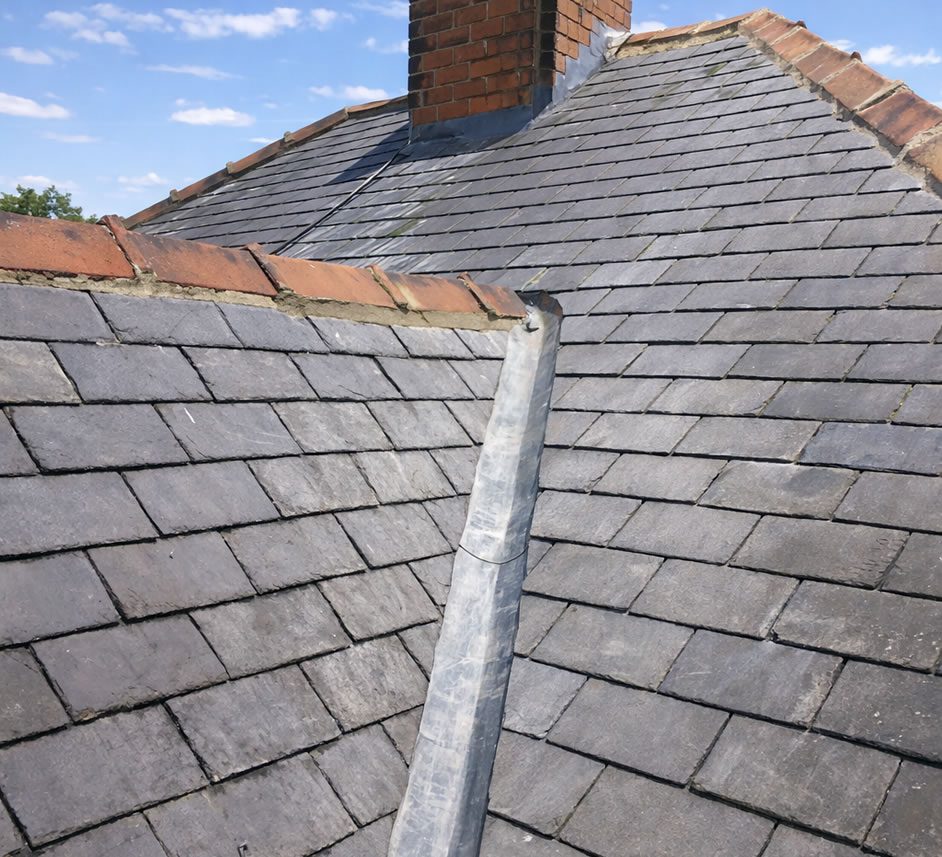
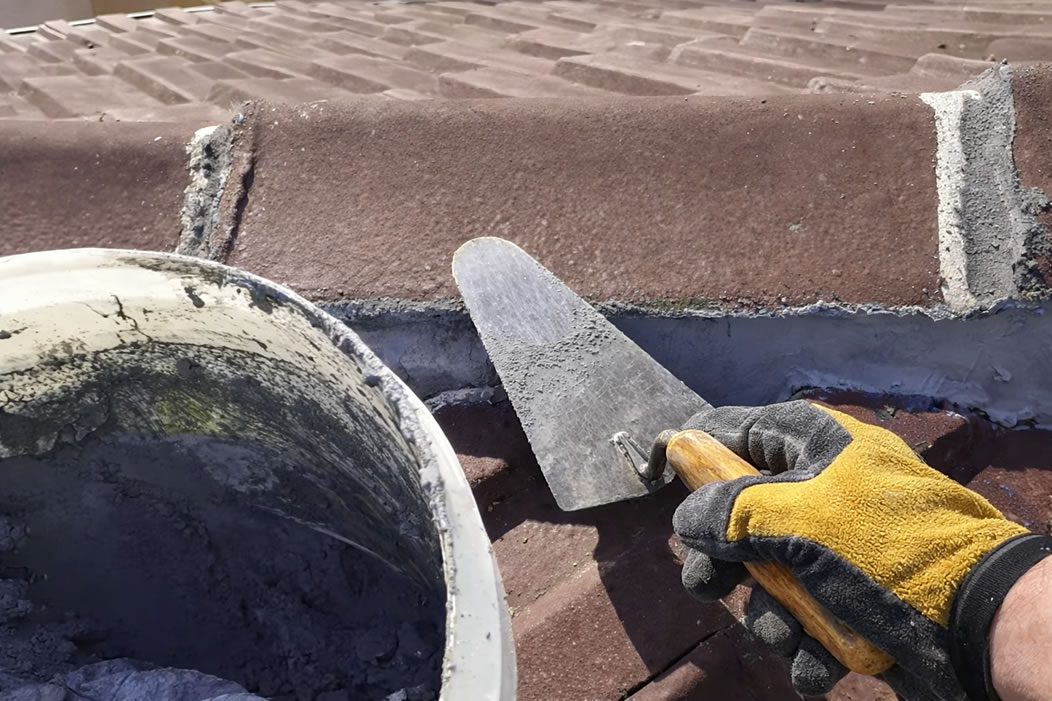
Repointing is repairing the mortar joints around ridge tiles — typically where cracks have formed or small sections have worn away.
When repointing can be a good choice
Repointing tends to work best when:
- ridge tiles are still solid and stable
- mortar has small cracks but hasn’t fully failed
- the ridge line remains straight with no visible lift
When repointing often fails
Repointing is unlikely to last if:
- ridge tiles rock or lift when touched
- the bedding mortar underneath has degraded
- the ridge has failed in multiple spots along the run
- wind-driven rain gets under the ridge because of gaps
Why: new pointing on top of a loose ridge is like patching a wobbling brick — it cracks again quickly.
Typical cost (UK guide)
| Work | Typical range |
|---|---|
| Localised ridge repointing (small section) | £250–£700 |
| Longer runs (depending on access) | £500–£1,500+ |
Access and scaffolding often influence cost more than the mortar itself.
2) Ridge Tile Rebedding: The “Reset It Properly” Option
What rebedding means
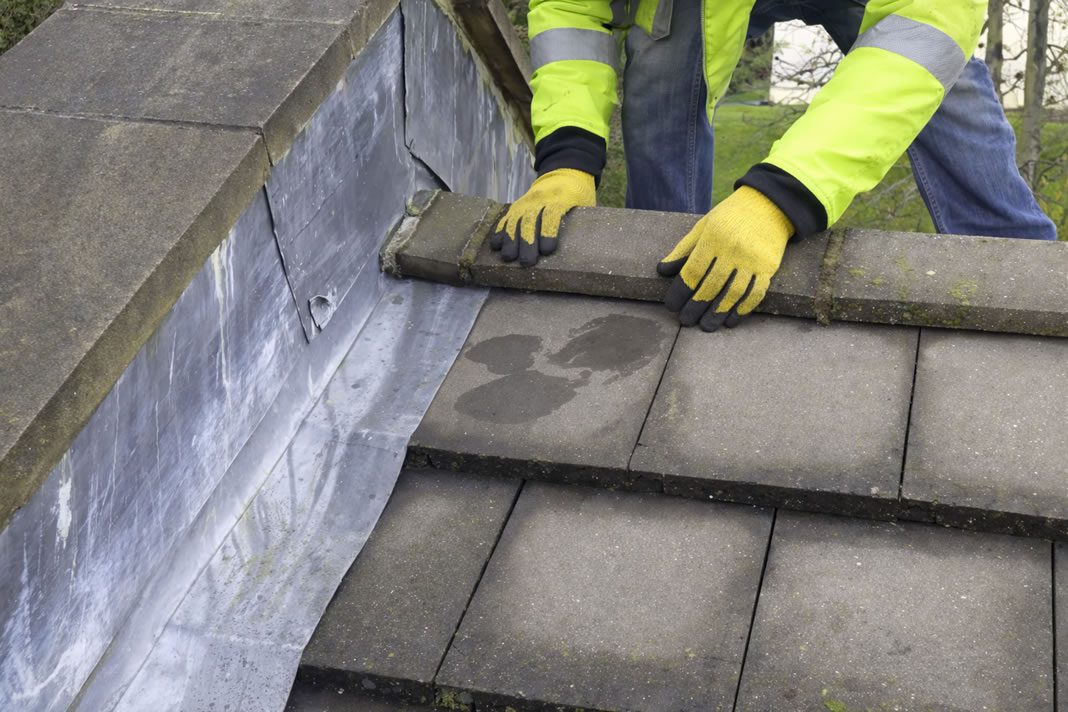
Rebedding involves lifting ridge tiles, removing failed mortar, and re-fixing the ridges on fresh bedding so the tiles sit stable again. Then the roofer finishes with pointing.
When rebedding is usually the right call
Rebedding is often recommended when:
- ridge tiles are loose or moving
- mortar has cracked and dropped away
- the ridge line looks uneven
- you’ve already repointed and it failed again
What a good rebedding job includes
- remove loose mortar fully (not just patch around it)
- check for any underlying issues at the ridge line
- re-bed tiles evenly and securely
- tidy finish and proper alignment across the run
Typical cost (UK guide)
| Work | Typical range |
|---|---|
| Rebedding a small section | £450–£1,200 |
| Rebedding a longer ridge run | £900–£2,500+ |
| Scaffolding (if needed) | £450–£2,000+ |
3) Dry Ridge Systems: The Modern Alternative
What a dry ridge system is
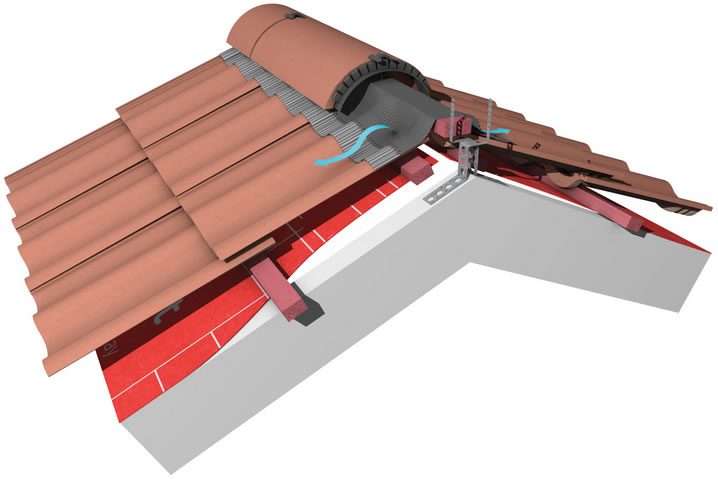
A dry ridge uses mechanical fixings and ridge unions (often with ventilation) instead of relying purely on mortar. It’s designed to resist movement in wind and reduce mortar cracking over time.
Why homeowners choose dry ridge
Dry ridge can be a strong option when:
- you want a longer-term solution
- mortar has repeatedly cracked or failed
- you’re already doing significant ridge work
- ventilation benefits matter (some systems improve roof ventilation)
When dry ridge is especially worth considering
- long ridge runs where repeated mortar repairs get costly
- exposed areas with high winds
- older roofs where movement is more likely
- properties with persistent condensation in the loft (vented systems may help)
Typical cost (UK guide)
| Work | Typical range |
|---|---|
| Convert part of a ridge to dry ridge | £700–£1,800 |
| Convert a full ridge run to dry ridge | £1,200–£3,500+ |
| Scaffolding (if needed) | £450–£2,000+ |
What Roofers Check Before Recommending an Option
A roofer should base the recommendation on condition, not a one-size-fits-all approach.
They’ll usually check:
- whether ridge tiles have movement
- extent of mortar failure along the ridge line
- ridge alignment and any visible dips
- condition of adjacent tiles and the ridge junction
- how exposed the roof is to prevailing winds
- safe access requirements
Therefore, the best choice depends on the ridge’s stability first.
Which Is “Best” Overall?
If you want a practical answer:
- Best for minor cracking with stable tiles: Repointing
- Best when ridge tiles are loose: Rebedding (often essential)
- Best for long-term durability and wind resistance: Dry ridge
However, the “best” option for you is the one that:
- fixes the cause (movement vs surface cracking)
- suits your roof condition and exposure
- matches your budget and timeframe
Red Flags When Getting Quotes
Watch out if a quote:
- offers repointing only, despite visible ridge movement
- doesn’t explain whether tiles are being lifted or not
- avoids discussing access and safety
- can’t describe what materials/system they’ll use for dry ridge
A clear roof repair quote makes comparing options much easier.
How to Decide: Ridge Repair Options in 3 Steps
Step 1: Confirm whether ridge tiles are loose
If the ridge has movement, repointing alone is rarely enough.
Step 2: Compare like-for-like quotes
Ask roofers to state whether they’re repointing, rebedding, or converting to dry ridge — and what’s included.
Step 3: Choose based on longevity and value
A slightly higher cost can be worth it if it reduces repeat repairs.
If your ridge mortar is cracking or tiles feel loose, submit a quick enquiry with your postcode to compare free, no-obligation quotes from local roofers.
FAQs
Is repointing always a waste of money?
No. It can work well when the ridge tiles are stable and only the pointing has minor cracking. It becomes poor value when tiles are loose.
How can I tell if ridge tiles are loose?
From the ground, look for an uneven ridge line or missing mortar. A roofer can confirm movement safely during inspection.
Does dry ridge look different?
Dry ridge can look very neat and consistent. Most systems are designed to be visually similar to a traditional ridge finish.
Will dry ridge stop ridge problems permanently?
It reduces the common mortar-cracking issue and resists movement better. However, no system is completely maintenance-free, especially in extreme weather.